Ceiling Fan Installation in Maryvale
Ceiling Fan Installation for Maryvale homes - local conditions, a clear process, and one call to get it started.
Ask what makes ceiling fan installation local in Maryvale and the answer is geography: the same trade, a different map.
A quiet fan in Maryvale is usually the result of decisions made before the blades were attached: a fan-rated box secured to structure, wiring that separates fan and light control where the room needs it, and a final balance check at every speed. When those pieces are right, the fan runs without wobble, ticking or a pull chain as the only option.
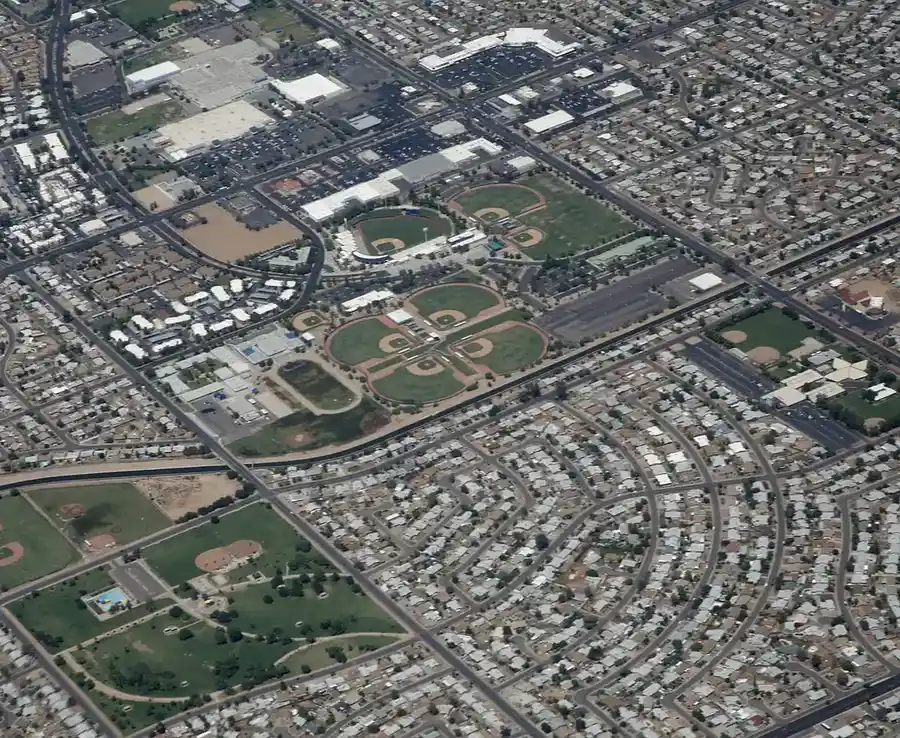
Maryvale is a master-planned community on Phoenix's west side, developed from the 1950s onward and named for its planner's wife, with curving residential streets, parks and schools west of 51st Avenue. It is one of the city's large postwar districts: block and stucco ranch houses built for working families, now home to several generations of owners and steady renovation.
Local conditions shape the work here. 1950s to 1980s single-story ranch homes in block and stucco, small apartment complexes, and commercial strips along Indian School and Camelback roads - and that shapes the electrical work directly. Maryvale runs on postwar electrical arithmetic: many homes still on 100-amp panels, streets from the mid-1960s to mid-1970s carrying aluminum branch wiring, and air conditioning as a non-negotiable load through 110-degree stretches. For ceiling fan installation in Maryvale, for fan work, the visit reads the box's rating and bracing before the fan's weight is trusted to it.
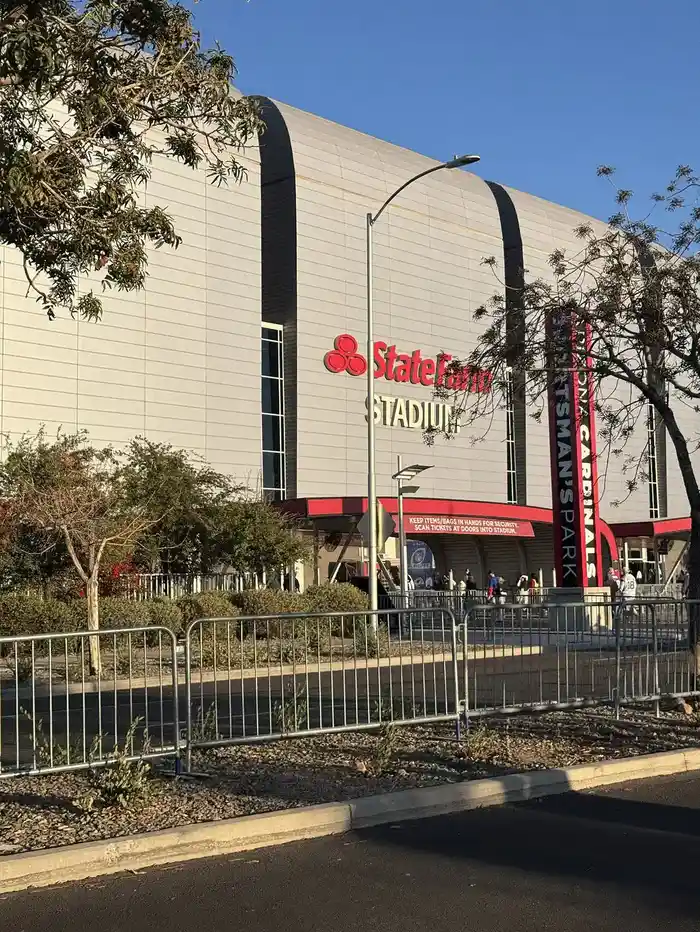
Work near the spring training ballpark on 51st Avenue long enough and the streets sort themselves: the exposed ones ask early, the sheltered ones ask late, and the old-panel streets ask loudest.
Signs Maryvale Homes Need Ceiling Fan Installation
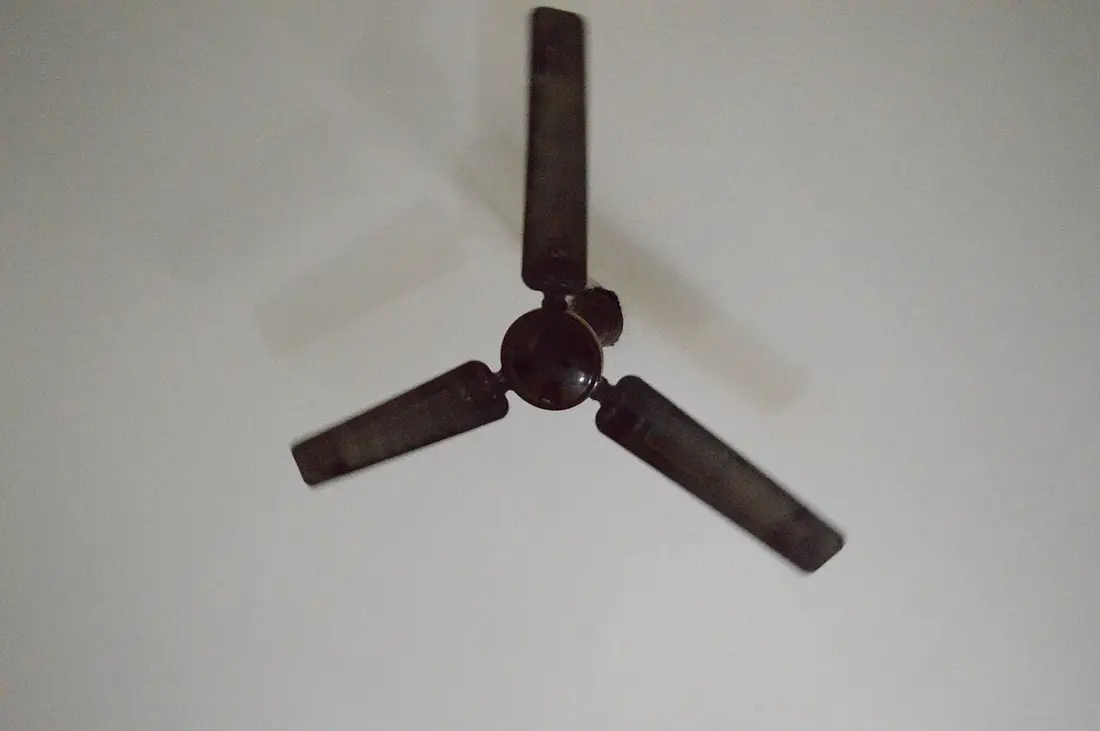
A fan that wobbles at higher speeds
Wobble usually points back to the mount, a loose downrod connection or an unbalanced blade set.
A clicking or humming sound when running
Noise can come from a loose mount, a motor control mismatch or blades and hardware that have loosened in attic heat.
Only a pull chain controls the fan
Chain-only control is common in older bedrooms, but wall switching for fan and light separately is easier to use at night and clearer for guests, children and snowbird homes that sit closed for months at a time.
Why This Work Runs in Maryvale
Housing age changes the job. Homes built in the 1950s and 1960s often have low ceilings, shallow boxes and wiring routes baked by decades of attic heat. Newer homes in expanding suburbs may have higher ceilings and open living areas that need longer downrods and careful placement so air reaches the seating area instead of circling above it.
Maryvale runs on postwar electrical arithmetic: many homes still on 100-amp panels, streets from the mid-1960s to mid-1970s carrying aluminum branch wiring, and air conditioning as a non-negotiable load through 110-degree stretches. Carport conversions, added bedrooms and window-unit supplements layered onto original circuits are a regular finding, and the panel is where most Maryvale assessments properly start.
In Maryvale, that plays out street by street - for fan installs, watch the box rating, the downrod length and the ceiling's height and slope. On the Maryvale run, crews read the panel and the attic first - the wiring story is the fastest route to the truth in this neighborhood.
Winter in Phoenix is mild, and that mildness is the season's electrical character. Days are comfortable, snowbird season is in full swing, and seasonal homes run at full occupancy. The load story shifts rather than disappears: heating on the cooler nights, holiday lighting on exterior outlets, guests and gatherings drawing on kitchens and spare rooms, and pool equipment idling back. It is also the calm planning season - the months when panel work, rewiring and charger installations are scheduled without the summer's urgency pressing on every decision.
What a good visit looks like: the electrician arrives with the right test equipment for the system you described, assesses before quoting, and works the cause - the connection, the load, the device - rather than the symptom you happened to see. Anything that needs a follow-up is scheduled before they leave.
Every season asks Maryvale a different question - spring asks about readiness, summer about load and lightning, fall about recovery, winter about seasonal homes.
Write down the pattern before you call: when it started, where it shows, what the weather was doing - a decline's timing against the storm seasons is half the diagnosis in Maryvale as everywhere.
How Ceiling Fan Installation Works in Maryvale
The full step-by-step process for this service - assessment, scope, the work itself and follow-up - is laid out on the main Ceiling Fan Installation page. In Maryvale the same sequence runs with the local map in hand: the panel generations around the spring training ballpark on 51st Avenue, the housing pattern described above, and the heat and monsoon exposure this neighborhood actually carries.
The Maryvale Angle
What makes Maryvale different is not the work; it is the setting - storm seasons, lightning and housing eras, arranged by one neighborhood's geography. Housing here tells the electrician where to look first. 1950s to 1980s single-story ranch homes in block and stucco, small apartment complexes, and commercial strips along Indian School and Camelback roads.
Layer the systems on top and the job defines itself. Maryvale runs on postwar electrical arithmetic: many homes still on 100-amp panels, streets from the mid-1960s to mid-1970s carrying aluminum branch wiring, and air conditioning as a non-negotiable load through 110-degree stretches. Carport conversions, added bedrooms and window-unit supplements layered onto original circuits are a regular finding, and the panel is where most Maryvale assessments properly start. So the ceiling fan installation visit here is built from the block outward: evidence first, readings second, work matched to both.
Maryvale does not sit alone on the map. It weathers the same storm seasons as Glendale, Avondale and Downtown Phoenix - the same fronts cross the metro, the same lightning works the same panels, and the same heat loads the same circuits within the same few days. For homeowners, the useful takeaway is simple: your block's pattern is knowable, and the work follows the pattern.
On the route map, Maryvale sits in the phoenix neighborhood group, ZIP 85031 - close enough to Glendale, Avondale that crews work them on the same runs. That local memory is the quiet advantage of route-based work in Maryvale.
What the work actually protects in Maryvale is not the system alone - it is the sleep, the workdays, the freezers and the routines inside the house. Framed that way, the order of jobs writes itself: safety first, capacity second, efficiency third, and the assessment always.
Prevention That Helps in Maryvale
- Use only outdoor-rated fans and fixtures on porches and patios, even under a solid cover, because monsoon moisture reaches them.
- Have a wobbling fan checked at the mount promptly rather than running it on a lower speed to hide the movement.
- If a fan light flickers on a dimmer, have the control compatibility checked instead of changing bulbs repeatedly.
1950s to 1980s single-story ranch homes in block and stucco, small apartment complexes, and commercial strips along Indian School and Camelback roads.
Keep Exploring
Ceiling Fan Installation nearby:
- Ceiling Fan Installation in Glendale
- Ceiling Fan Installation in Avondale
- Ceiling Fan Installation in Downtown Phoenix
- Ceiling Fan Installation in South Phoenix
More services in Maryvale:
- Whole-Home Surge Protection in Maryvale
- Outlet and Switch Services in Maryvale
- Whole-Home Rewiring in Maryvale
- Commercial Electrical in Maryvale
See the full electrical page for Maryvale and the Ceiling Fan Installation overview for Phoenix.
Ceiling Fan Installation in Maryvale - Questions
Do I need a wall switch in Maryvale, or is a remote enough?
A remote can work well, especially where opening walls to add switch wiring is impractical. Wall switching is still the clearer long-term option where it can be done, because it does not depend on a handset. The visit can lay out which approach your walls and ceiling access support.
Why does my fan wobble in Maryvale, and should it stay off?
Wobble can come from the mount, the downrod connection or blade balance. A fan that has visibly pulled at its box or that shakes the ceiling should stay off until the mount is read. A slight movement at startup that settles is different from a fan that keeps rocking at speed - the second pattern points to hardware that needs attention.
When is Ceiling Fan Installation most needed in Maryvale?
Need follows the season and the neighborhood together: the storm months raise the baseline everywhere, and Maryvale's specific exposure - its housing era, its panel stock, its position under the storm tracks - decides which weeks bite hardest. A local assessment reads both clocks at once.
A Breaker That Keeps Tripping, Lights That Flicker or a Panel Due for an Upgrade?
One call connects you with an electrical professional serving Phoenix and the surrounding metro communities - assessment, repair, service and installation.
📞 Call Now