Breaker Panel Upgrade Through the Phoenix Year
Winter in Phoenix is mild, and that mildness is the season's electrical character. Days are comfortable, snowbird season is in full swing, and seasonal homes run at full occupancy. The load story shifts rather than disappears: heating on the cooler nights, holiday lighting on exterior outlets, guests and gatherings drawing on kitchens and spare rooms, and pool equipment idling back. It is also the calm planning season - the months when panel work, rewiring and charger installations are scheduled without the summer's urgency pressing on every decision.
Fall is the cool-down and the assessment window. Temperatures ease, cooling loads fall, and snowbirds begin returning to open seasonal homes that have sat closed through the summer. It is the season for the repairs the summer exposed, for surge devices spent during the monsoon to be checked and renewed, for reopening checks on homes that were shut for months - detectors, panels, pool equipment, water heaters - and for honest planning while the weather is calm. A system inspected in October is being judged on the evidence of the season just passed, not on hope.
Spring is the warm-up and the preparation window. Temperatures climb through the season, cooling systems return to daily duty, and the work that matters happens just ahead of the heat: panels checked under rising load, surge protection in place before the monsoon, pool circuits readied for the swimming months, and standby equipment serviced while appointments are still easy to schedule. The first sustained heat wave of the year grades every home's preparation, and it arrives whether the preparation happened or not.
Breaker Panel Upgrade in Depth
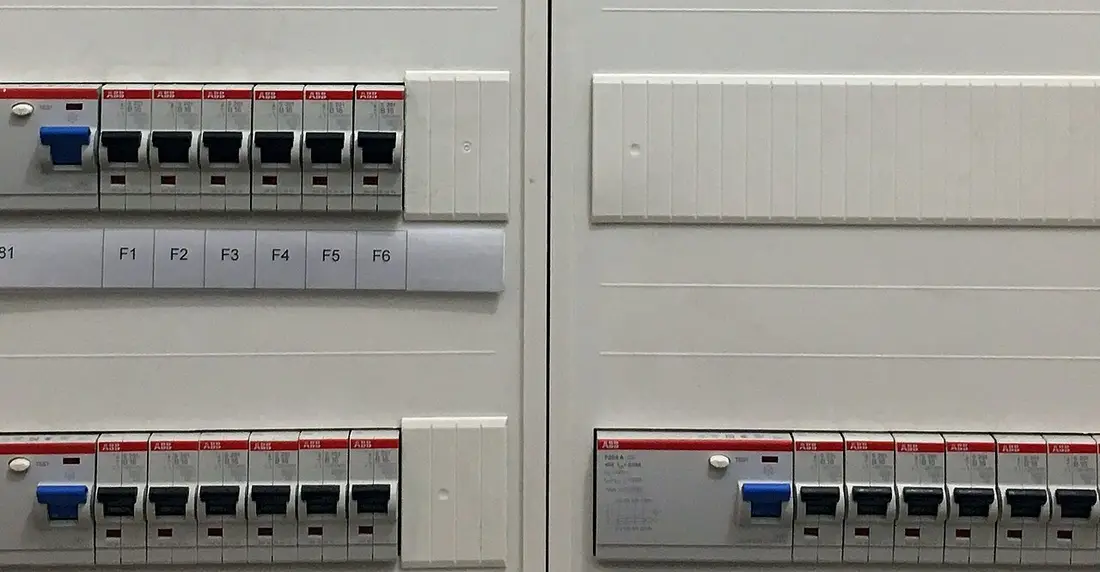
Judge a Phoenix panel by a late July evening: air conditioning running, pool pump on its long cycle, dinner cooking, and your EV charging in a hot garage. Older 100-amp services in mid-century homes were never sized for that stack, while newer 200-amp builds may only need space and organization. The load calculation, grounding, and an accurate directory decide the honest scope.
Solar changes the conversation as well. With rooftop arrays across the valley and APS and SRP interconnection rules to meet, many upgrades are planned as solar-ready, with bus capacity, breaker placement, and room for a future charger or battery considered at the same time. Documentation matters too: the calculation, the old panel findings, and the new directory form a file that serves resale and insurance questions.
Choosing the Right Help
Choose an installer who opens with the load calculation and a written reading of the old panel before naming a new size. Ask how solar readiness, a future charger, and the afternoon cooling peak were handled in the arithmetic. A Phoenix panel decision can stand for decades, so the calculation is the deliverable to judge, and a clear answer about capacity for your house is the summary that matters.
The Conditions Behind It
Phoenix sits in the Sonoran Desert, and heat writes the electrical calendar here: long summers with highs at and above 110 degrees, air conditioning that runs from morning well past midnight, attics that bake through the afternoon, and panels that carry their heaviest sustained load for months at a time. Layered over the heat is the monsoon, running from mid-June through September, when lightning, microbursts, dust storms and sudden downpours interrupt power and send surges through neighborhoods. An electrical system in Phoenix is not judged on a mild spring morning - it is judged in late July, at the peak of the load and in the middle of a storm week.
The valley's wiring is a layered record of its growth. Phoenix is a younger city than the eastern metros, so knob-and-tube is rare here; the older story lives in the historic districts near the center, where cloth and rubber-insulated cable and fuse boxes survive in the oldest central homes. The postwar building waves filled whole districts with 100-amp panels, including panel families from that era that inspectors now flag on sight. The mid-1960s to the mid-1970s added aluminum branch wiring to thousands of homes. The growth edges build larger services with rooftop solar, pool equipment and vehicle charging planned from the start. Which layer a house sits in decides much of its electrical story.
How Breaker Panel Upgrade Works
Read the existing panel
Make and era, breaker behavior, bus condition, grounding and the actual load - measured, not guessed - before any recommendation is made.
Do the capacity arithmetic
The house's present loads plus the ones you are planning - cooling, charger, pool, solar, battery, addition - set the target service size in plain numbers.
Replace and re-land every circuit
The new panel is set, each circuit moved and labeled, grounding brought to current practice, and the old compromises - doubled circuits, mystery tandems - retired.
Verify under load
Breakers tested, the directory written honestly, and the house's heavy loads run together to prove the arithmetic before the visit ends.
Doing It Yourself vs a Professional
The DIY Route
- A panel swap involves the utility feed and the meter - work that sits on the wrong side of a homeowner's skill line by design
- Moving circuits without a load calculation recreates the old panel's problems inside a new cabinet
- Leaving the old panel's doubled circuits and unlabeled runs in place imports the mystery into the upgrade
VS
The Professional Route
- Starts with the load calculation and the panel's physical read, not a catalog
- Sizes the service to the house's real arithmetic, including the cooling load and the loads you are planning
- Re-lands and labels every circuit, so the new panel starts life honest
Keep It From Coming Back
A panel in a hot garage or on a sunlit wall asks for modest care: an honest directory, dry and clear access, and a load picture updated when large loads arrive. Those habits keep it a background appliance.
- Have the panel's make and era identified before an insurer or a buyer does it for you - the letter is a worse introduction than the assessment.
- Keep water and irrigation spray away from the panel, and give an exterior panel shade where you can; heat and moisture age a panel faster than its breakers do.
- Label the directory as circuits change; the next electrician - and the next owner - inherits your honesty or your mystery.
- Do not let anyone double up circuits or oversize breakers to create room; created room is how panels get hurt.
- Plan capacity ahead of the project, not during it - the panel decision made calmly is easier in every way.
- After the upgrade, keep the panel's paperwork with the house file; it answers insurance and sale questions for decades.