Whole-Home Rewiring Through the Phoenix Year
Summer is the extreme season in two acts. The first is sustained heat: highs at and above 110 degrees, air conditioning running around the clock, panels and attic runs carrying peak load in peak ambient heat, and weak points announcing themselves - breakers that trip on hot afternoons, connections that warm under load, equipment that fails in the hottest week. The second act is the monsoon from mid-June onward: lightning, microbursts, dust storms and flash outages layered over the heat. An outage in this season is more than an inconvenience; in extreme heat, a home without cooling becomes a health concern in hours, especially for older residents.
Winter in Phoenix is mild, and that mildness is the season's electrical character. Days are comfortable, snowbird season is in full swing, and seasonal homes run at full occupancy. The load story shifts rather than disappears: heating on the cooler nights, holiday lighting on exterior outlets, guests and gatherings drawing on kitchens and spare rooms, and pool equipment idling back. It is also the calm planning season - the months when panel work, rewiring and charger installations are scheduled without the summer's urgency pressing on every decision.
Spring is the warm-up and the preparation window. Temperatures climb through the season, cooling systems return to daily duty, and the work that matters happens just ahead of the heat: panels checked under rising load, surge protection in place before the monsoon, pool circuits readied for the swimming months, and standby equipment serviced while appointments are still easy to schedule. The first sustained heat wave of the year grades every home's preparation, and it arrives whether the preparation happened or not.
Whole-Home Rewiring in Depth
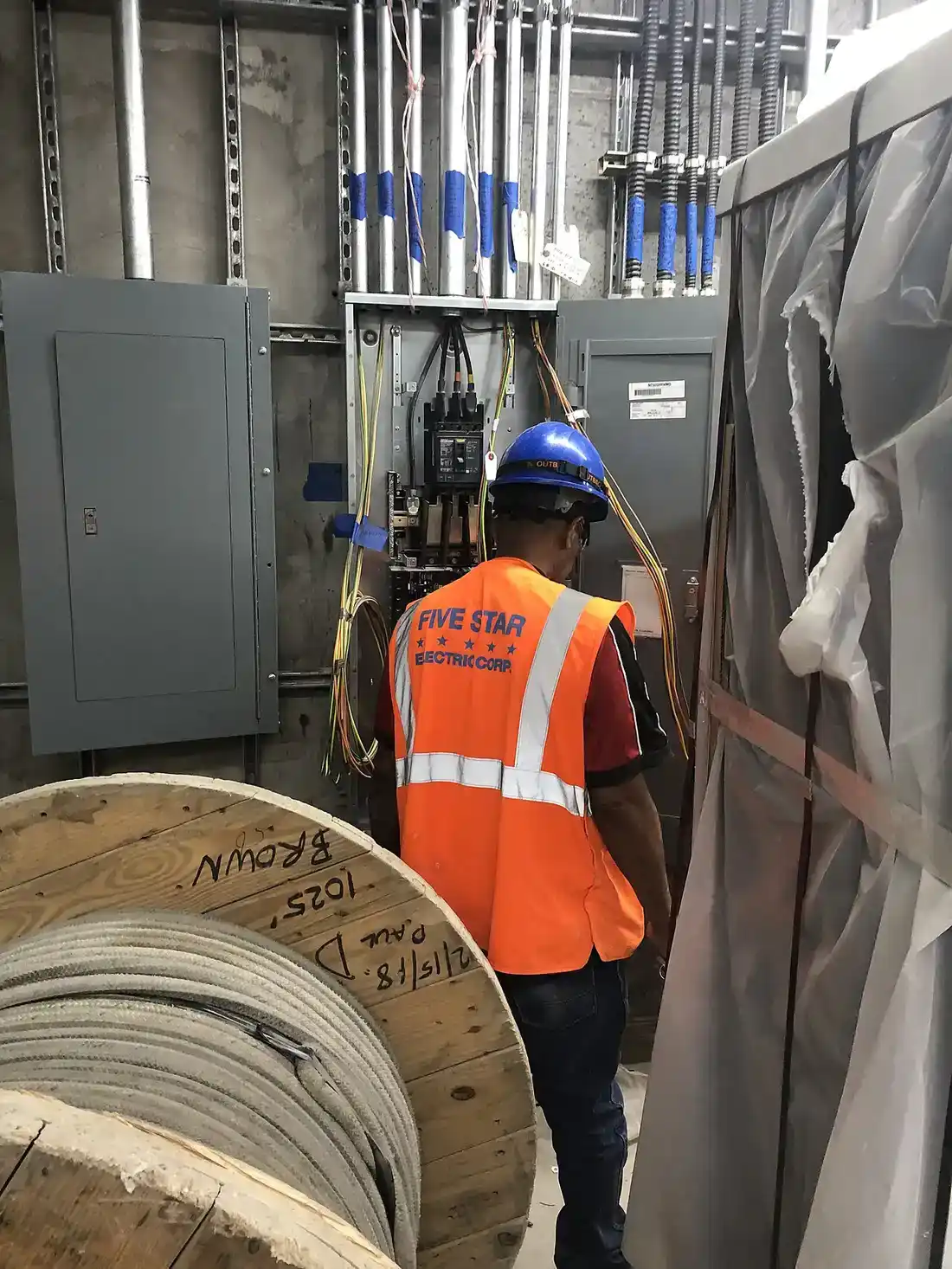
Rewiring a Phoenix home means replacing the hidden system that heat has been working on for decades. Attics here reach punishing temperatures in summer, and insulation, conductor jackets, and connections age under that load while stucco and block walls make access a planning exercise. A rewire redraws circuits for the house as it is lived in now, landed on a panel that can label them truthfully.
Staging shapes how the project feels day to day. A room-by-room plan, drawn before work starts, keeps parts of the house powered through each stage, sequences dusty stages sensibly in a home that may be occupied, and protects tile, stucco, and finished ceilings along each run. Owners do well to weigh proposals by that staging plan and the access methods named in it, not by a total alone.
Choosing the Right Help
Choose rewiring help by the staging and access plan. The scope inside stucco and block walls is knowable, and the lived experience depends on choices made on paper: room order, how power is kept on, how tile and ceilings are protected, and how attic runs are handled in summer heat. Proposals that lead with that plan, and name the panel and labeling work at the end of it, read as planned rather than improvised.
The Conditions Behind It
Phoenix sits in the Sonoran Desert, and heat writes the electrical calendar here: long summers with highs at and above 110 degrees, air conditioning that runs from morning well past midnight, attics that bake through the afternoon, and panels that carry their heaviest sustained load for months at a time. Layered over the heat is the monsoon, running from mid-June through September, when lightning, microbursts, dust storms and sudden downpours interrupt power and send surges through neighborhoods. An electrical system in Phoenix is not judged on a mild spring morning - it is judged in late July, at the peak of the load and in the middle of a storm week.
The valley's wiring is a layered record of its growth. Phoenix is a younger city than the eastern metros, so knob-and-tube is rare here; the older story lives in the historic districts near the center, where cloth and rubber-insulated cable and fuse boxes survive in the oldest central homes. The postwar building waves filled whole districts with 100-amp panels, including panel families from that era that inspectors now flag on sight. The mid-1960s to the mid-1970s added aluminum branch wiring to thousands of homes. The growth edges build larger services with rooftop solar, pool equipment and vehicle charging planned from the start. Which layer a house sits in decides much of its electrical story.
How Whole-Home Rewiring Works
Map the existing system
Every circuit traced, every era of wiring identified - attic, walls and crawlspace read as one archive - before a single run is planned.
Draw the new system
Circuits laid out for the house as it is lived in now: kitchen loads, baths, cooling, pools, chargers and offices given their own runs, the directory written before the wire is.
Rewire in stages
The work proceeds room by room or system by system, with power maintained where the plan allows and the house never left in a condition it cannot sleep in - with summer heat factored into the staging.
Document the finished system
New directory, labeled panel, and the record of what was retired - the file the next owners will thank you for.
Doing It Yourself vs a Professional
The DIY Route
- Partial DIY rewiring leaves the house with three wiring eras instead of two - and no map of which is which
- Tying new cable into brittle or aluminum-era runs marries new work to the weakest link in the house
- Skipping permits and inspection on a rewire erases the paper trail that insurers and buyers will ask for later
VS
The Professional Route
- Starts with the full map - every era identified, every circuit traced - so the plan covers the house, not the symptom
- Stages the work around a lived-in house, with the sequence agreed before the first wall opens
- Finishes with documentation: the directory, the map and the record of what was retired
Keep It From Coming Back
Older wiring serves longer when its limits are known and respected: circuits not quietly overloaded, attic work done with care, and changes recorded. These habits protect Phoenix homes between larger projects.
- When a wall opens for any reason, have the wiring inside it read - it is the simplest inspection you will ever get.
- Do not bury old wiring under added attic insulation without an assessment; insulation over aged runs traps heat the original installers never planned for.
- Keep a wiring file: every era identified, every circuit mapped, every project dated. The file compounds in value at every sale and renewal.
- Address aluminum-era connections before the symptoms start; that wiring announces itself quietly first.
- If a seasonal home sits closed through summer, have its wiring and panel checked at reopening before the cooling load runs full time.
- If you are buying an older home, have the wiring eras identified before closing - it is the one system whose condition changes the price conversation honestly.