
Electrician Services in Phoenix, AZ
Summers that hold above 110 degrees, air conditioners that run from morning past midnight, monsoon lightning that finds every weak connection, and mid-century panels asked to carry loads they were never sized for - Phoenix electrical systems live hard lives. One call connects you with a local electrician in Phoenix, AZ.
Serving Phoenix, Scottsdale, Mesa, Tempe, Chandler and the metro communities
Electrical Service Built Around the Phoenix Year
Phoenix sits in the Sonoran Desert, and heat writes the electrical calendar here: long summers with highs at and above 110 degrees, air conditioning that runs from morning well past midnight, attics that bake through the afternoon, and panels that carry their heaviest sustained load for months at a time. Layered over the heat is the monsoon, running from mid-June through September, when lightning, microbursts, dust storms and sudden downpours interrupt power and send surges through neighborhoods. An electrical system in Phoenix is not judged on a mild spring morning - it is judged in late July, at the peak of the load and in the middle of a storm week.
The valley's wiring is a layered record of its growth. Phoenix is a younger city than the eastern metros, so knob-and-tube is rare here; the older story lives in the historic districts near the center, where cloth and rubber-insulated cable and fuse boxes survive in the oldest central homes. The postwar building waves filled whole districts with 100-amp panels, including panel families from that era that inspectors now flag on sight. The mid-1960s to the mid-1970s added aluminum branch wiring to thousands of homes. The growth edges build larger services with rooftop solar, pool equipment and vehicle charging planned from the start. Which layer a house sits in decides much of its electrical story.
The monsoon ledger is seasonal and familiar. Summer storms build over the desert in the afternoon and arrive with frequent lightning - the desert Southwest is among the more lightning-active regions in the country - along with microburst winds that take down poles and service drops, dust walls that coat equipment, and flash outages as feeders trip and reclose. Each event writes two entries: the outage itself, and the surge that can travel with the failure and the restoration. Surge protection, service-mast condition and standby power are standing topics here because the season returns every year on a published schedule.
The second force is the modern load arriving in mid-century houses. Vehicle chargers, pool pumps and heaters, home offices, workshop tools and added living space all draw on panels sized for a fraction of today's demand - a 100-amp service that was generous in 1960 is an arithmetic problem in a house with a charger, a pool and a large cooling system. Rooftop solar adds a second source to coordinate rather than a load to carry. Much of the valley's electrical work is this reconciliation: reading what a house now asks of its system, and matching the system to it honestly.
This site is built around that reality. Every service below has its own page for every neighborhood and community we serve - because the 1920s bungalow in the Willo Historic District with its cloth wiring is not the 1970s ranch in Maryvale with its aluminum branch wiring, and the new build in Queen Creek is not the postwar panel in Sunnyslope. Start with the electrician in Phoenix page for the full picture, pick your service, pick your area, and make one call.
Electrical Services in Phoenix
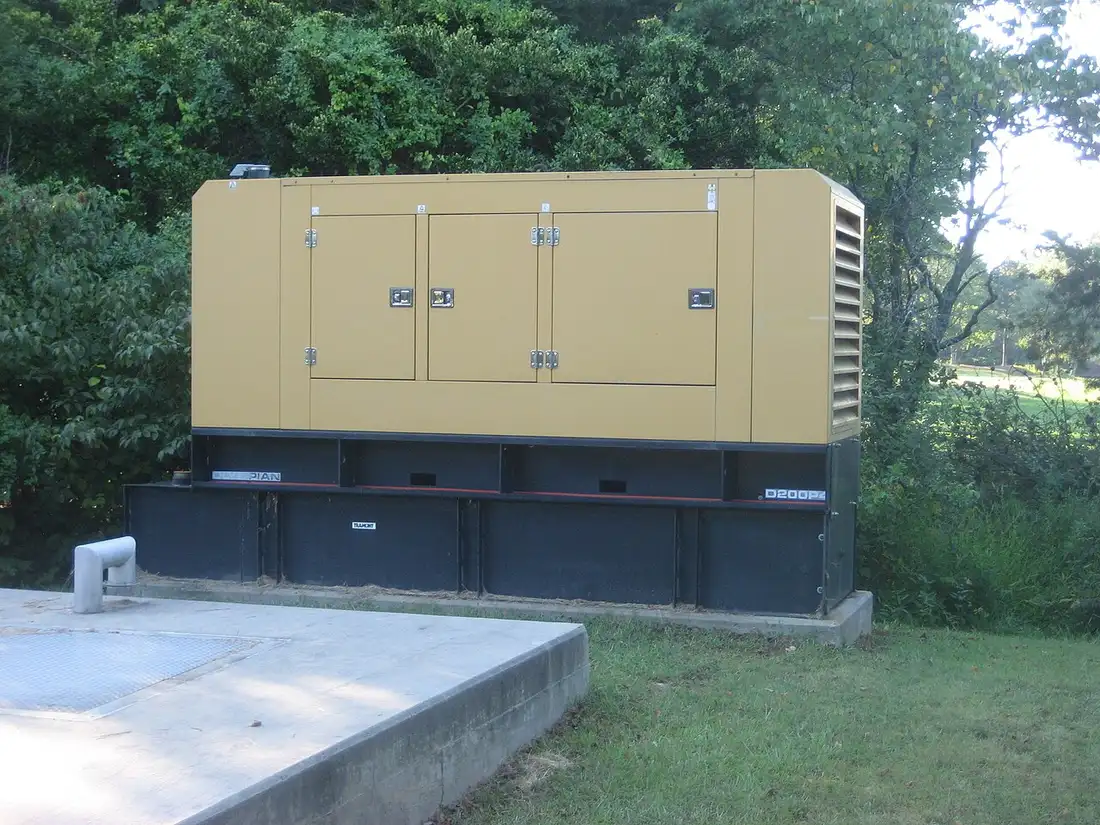
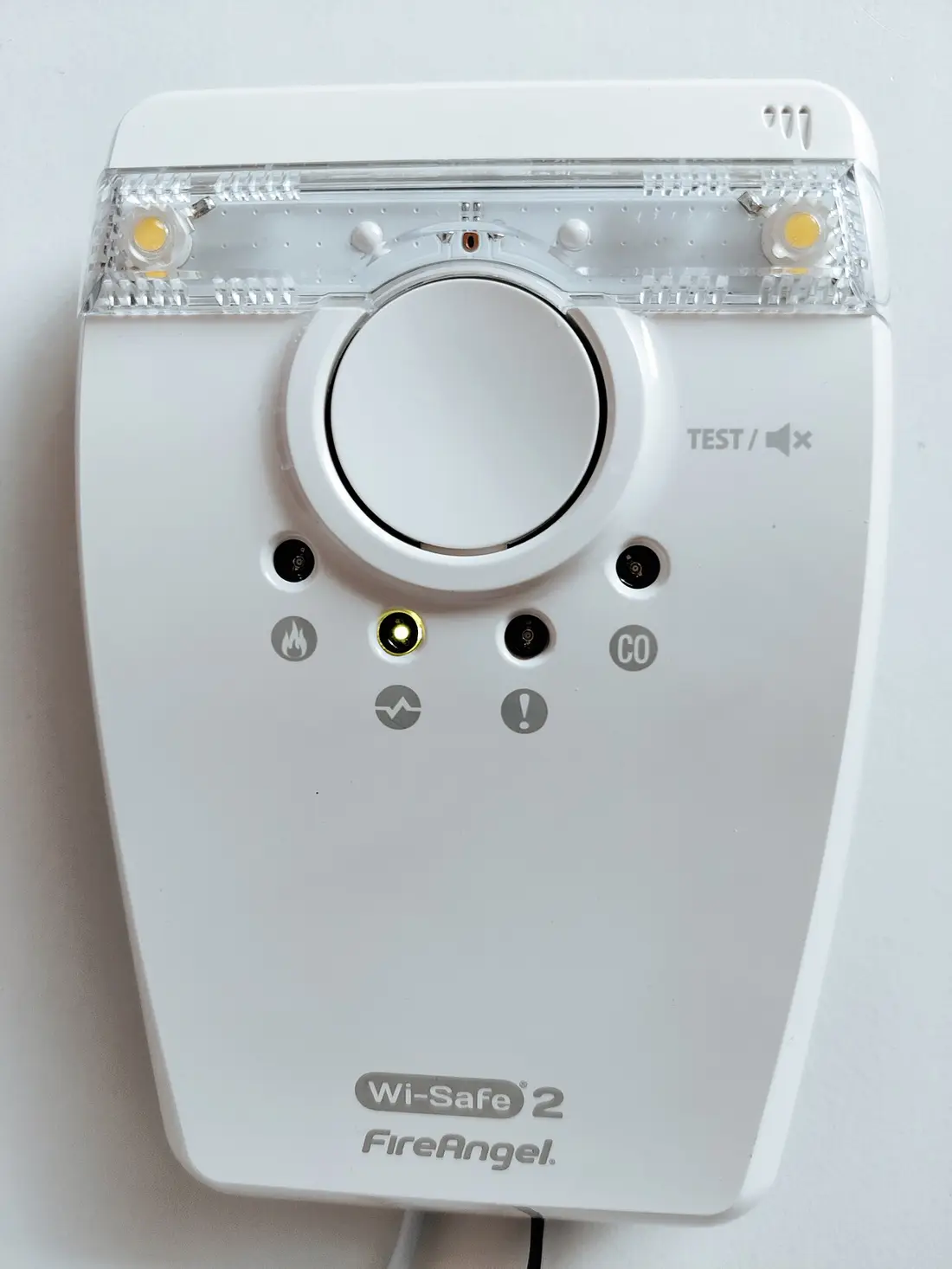
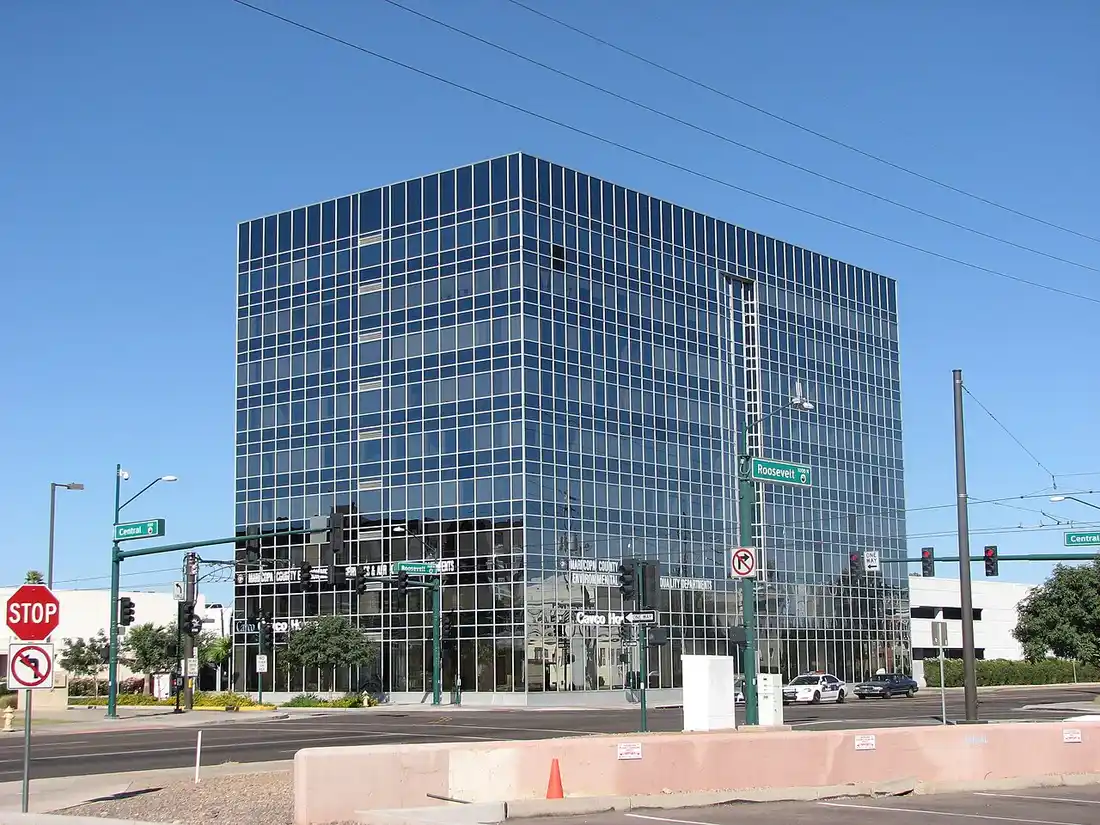
Thirteen services from the electricians Phoenix, AZ properties are matched with through this directory - each with its own page, and a page for every service in every neighborhood we cover.
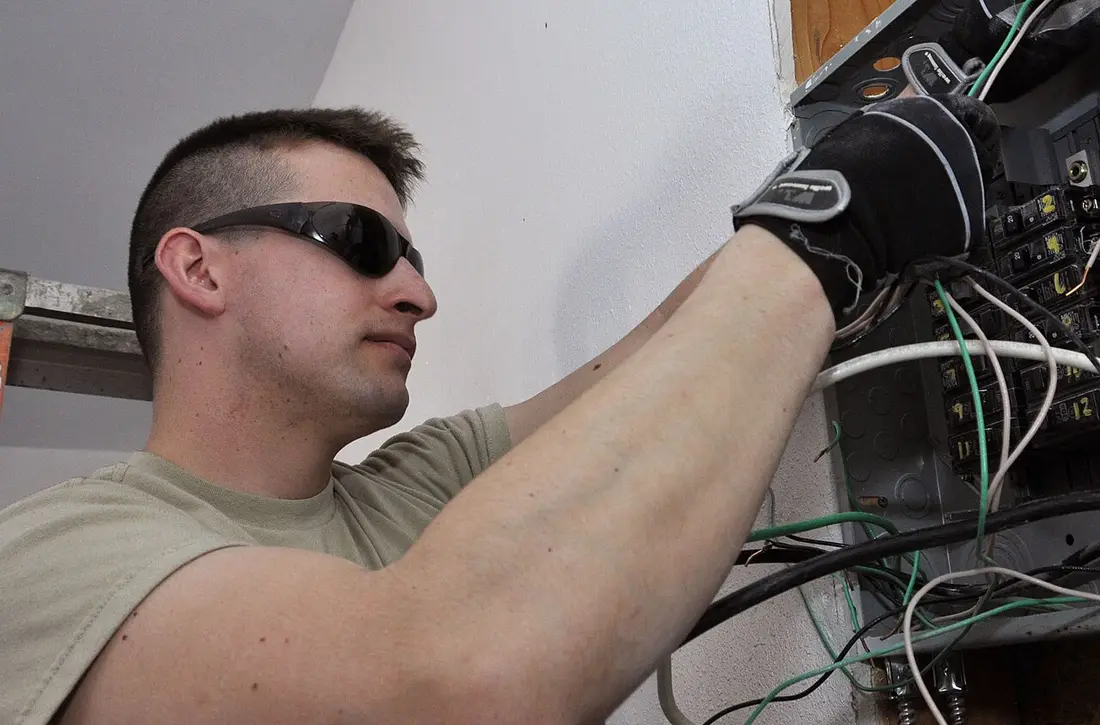
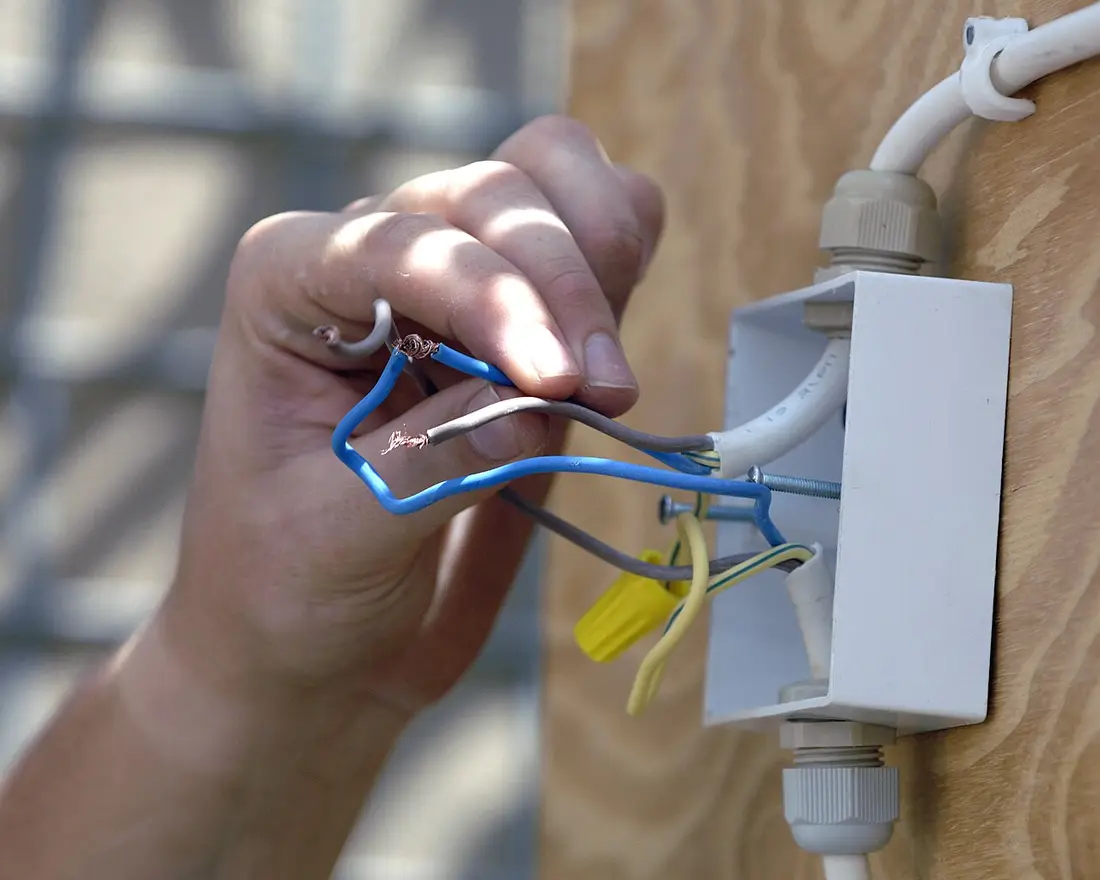
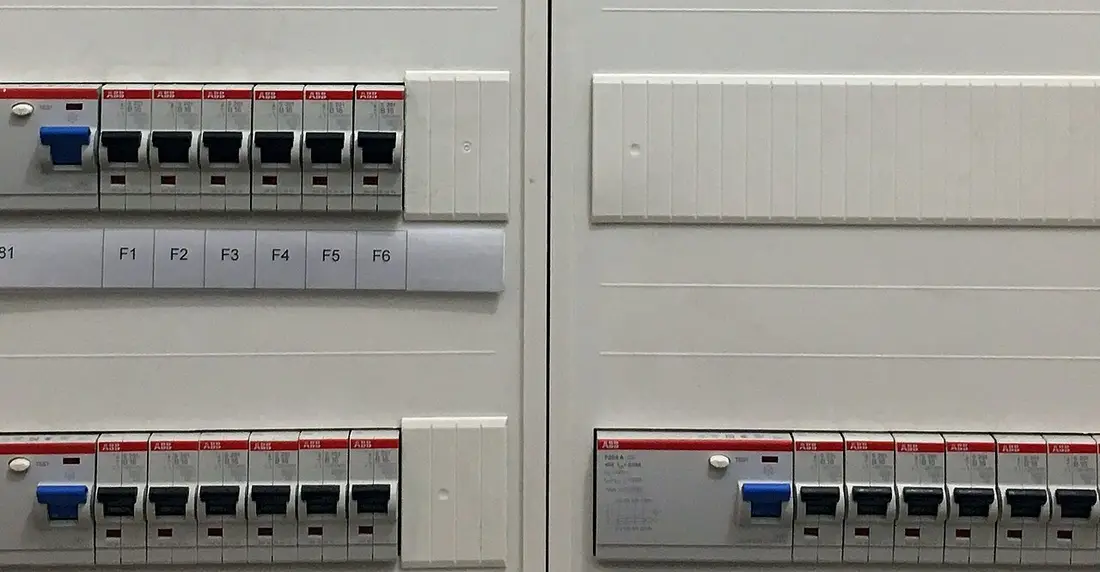
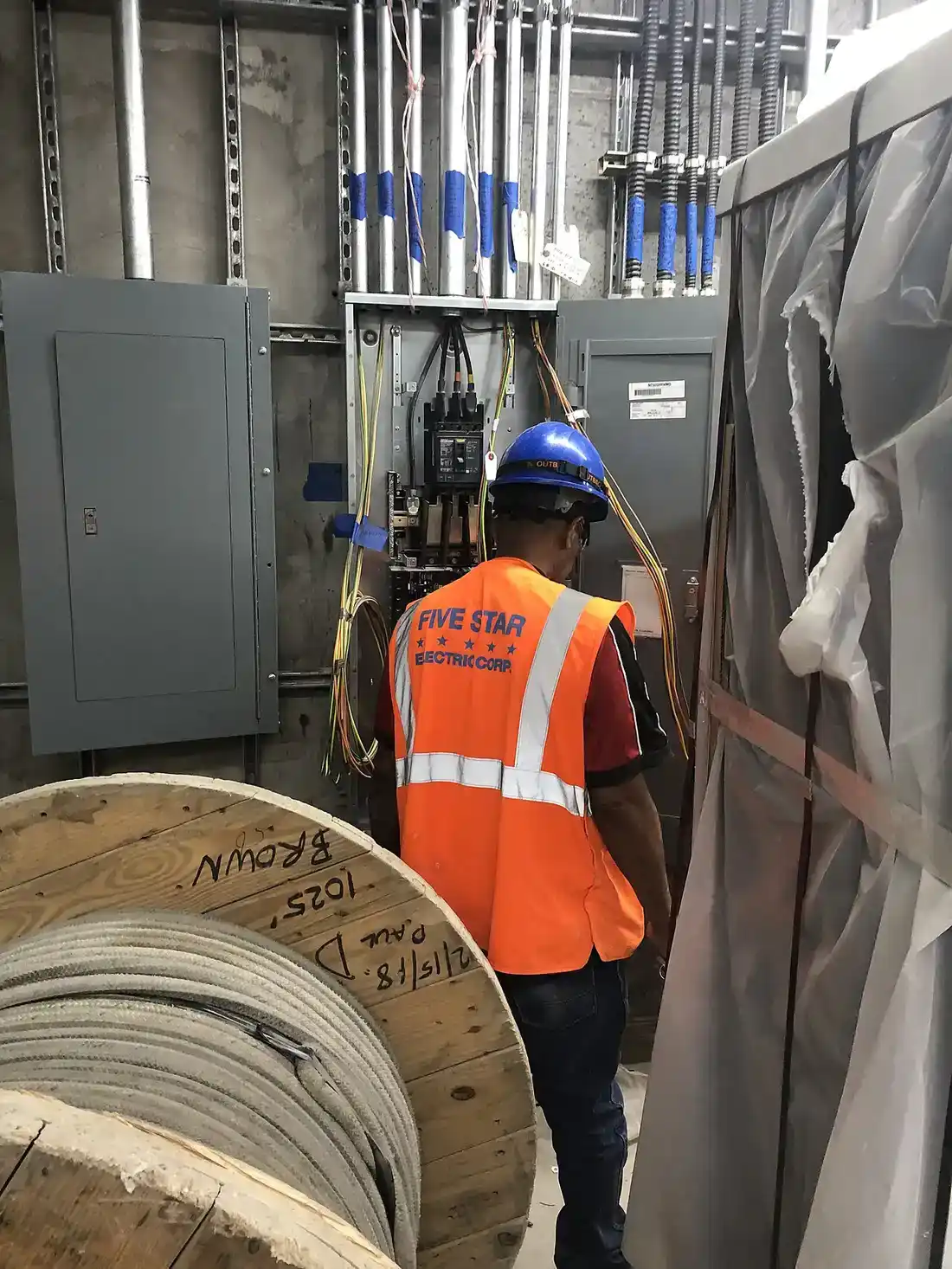
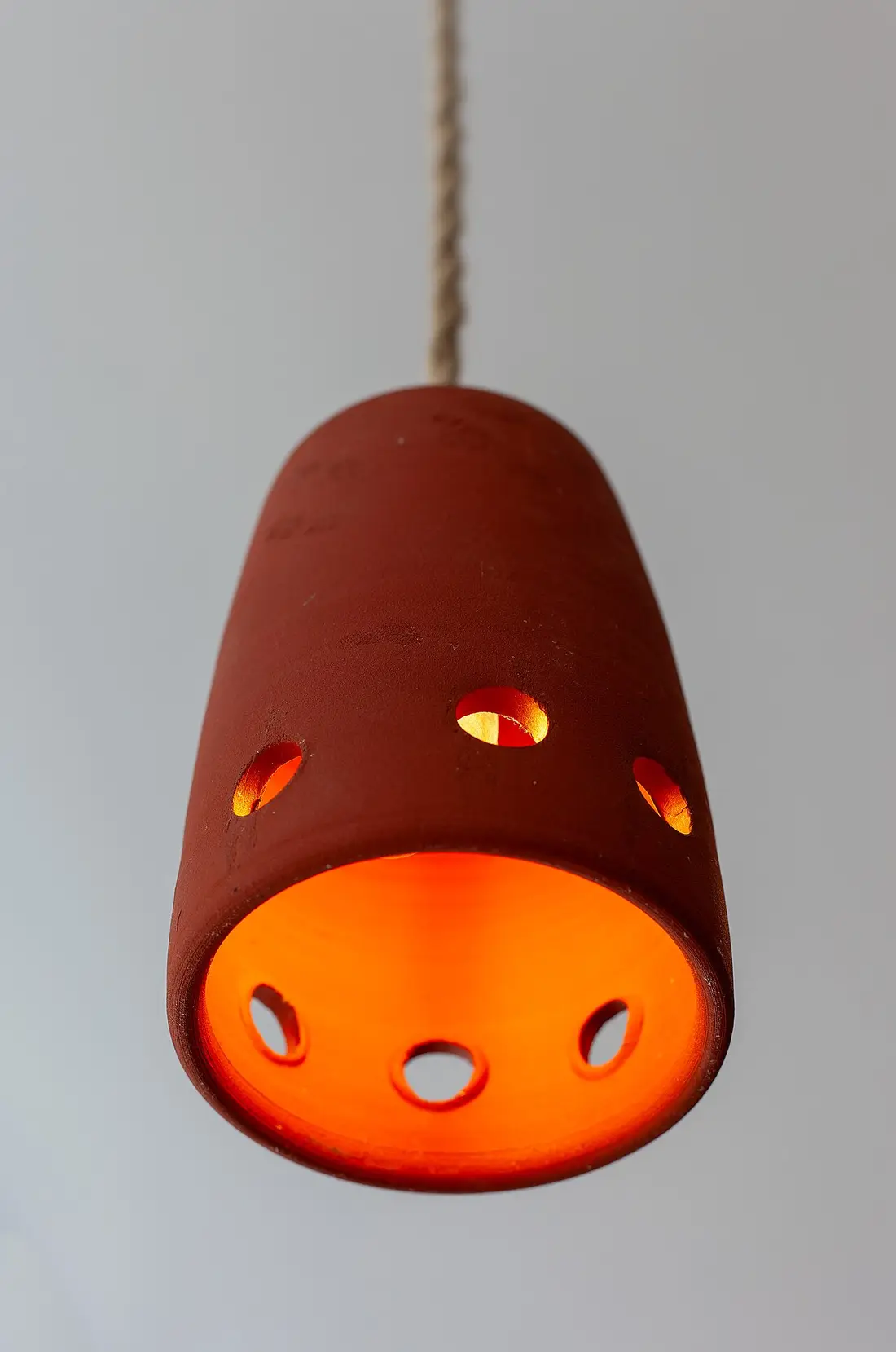
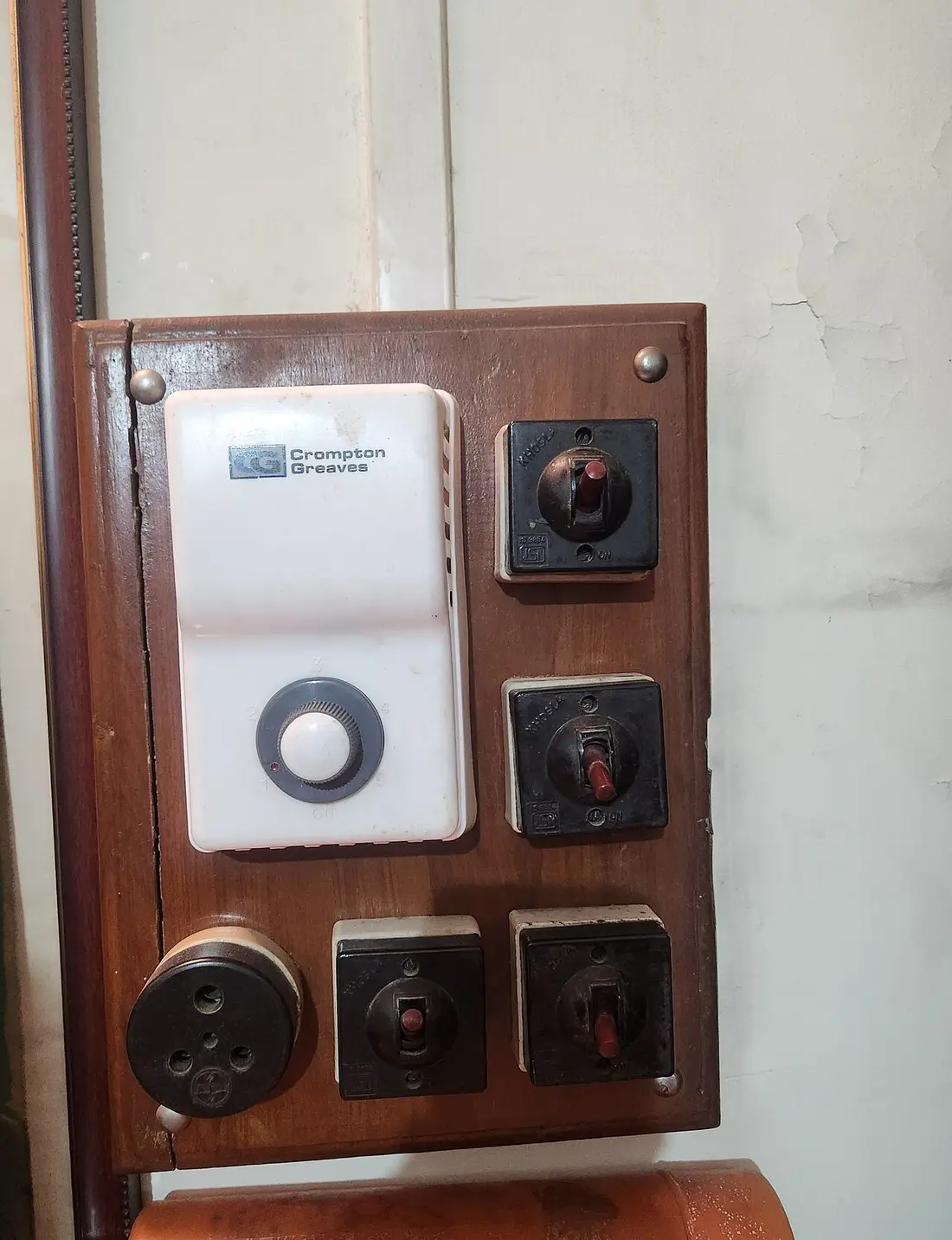
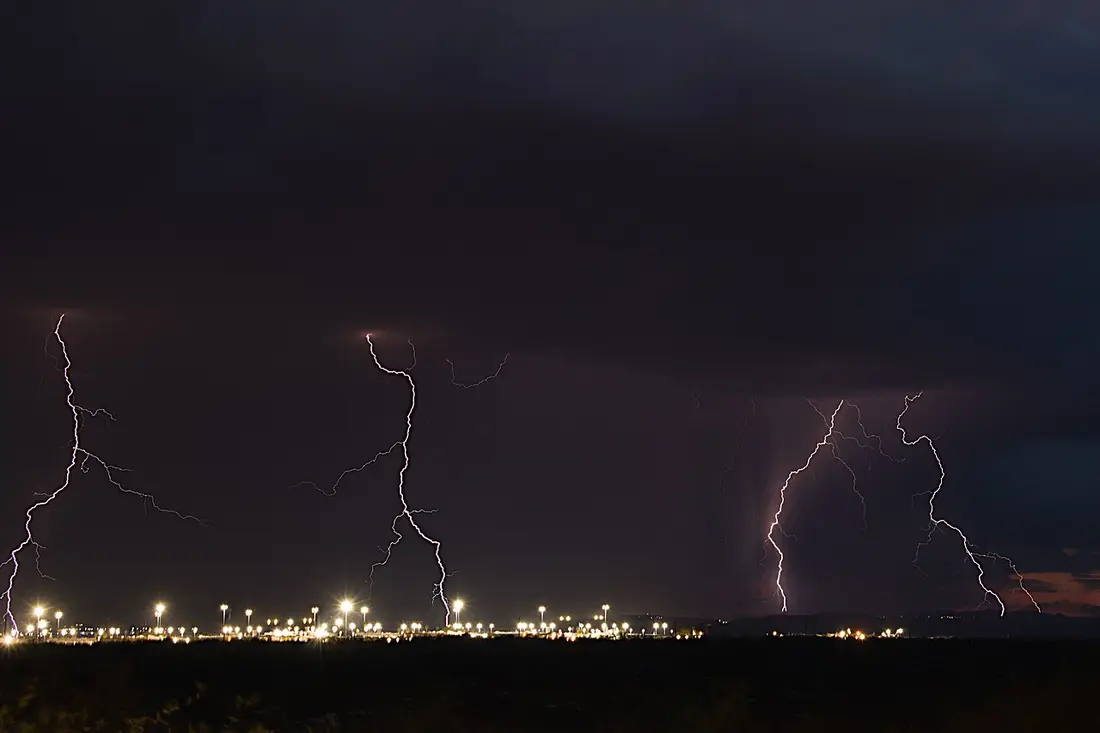

Residential Electricians in Phoenix, AZ
Most of the calls this directory routes are residential, and residential electrical work in Phoenix is shaped by two facts: the load and the era. The load is the desert itself - air conditioning that runs from morning past midnight, pool equipment in the sun all day, EV chargers drawing for hours every night. The era is the house - a mid-century ranch in Maryvale or Sunnyslope carries different wiring, a different panel and different risks than a new build in Gilbert or a 1920s bungalow in the Willo Historic District.
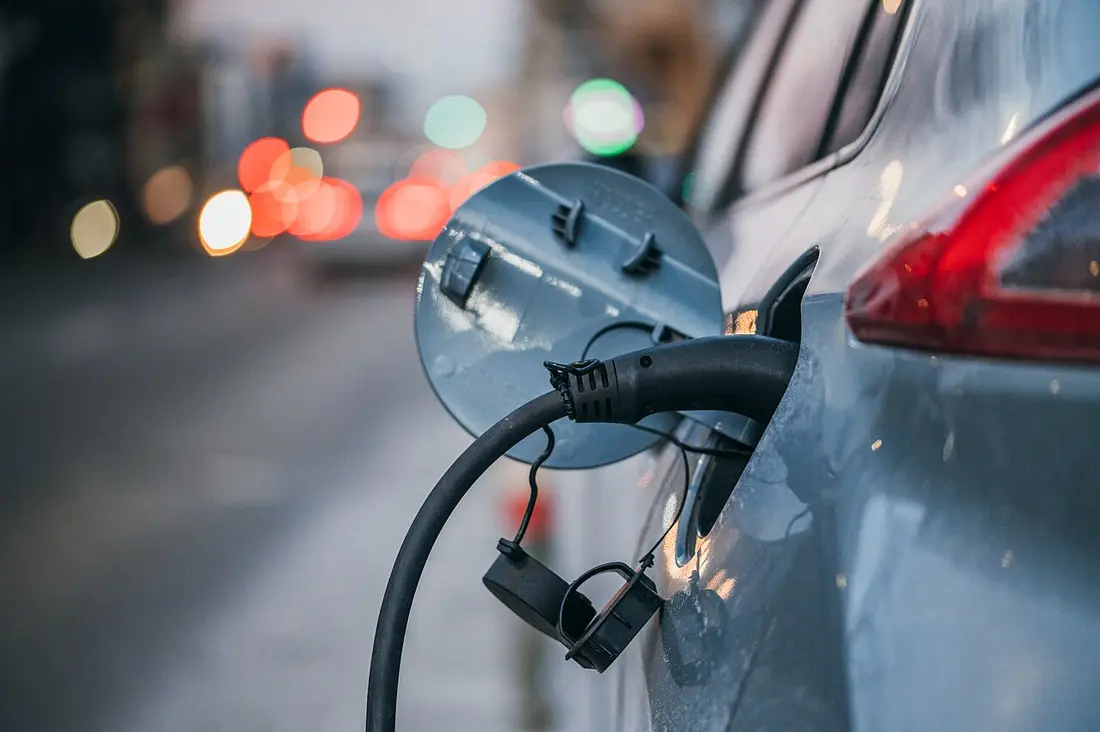
That is why the residential services here are organized the way a house actually fails and grows: panel upgrades when the arithmetic stops working, rewiring when the era wiring reaches its limit, surge protection before the monsoon, EV charger installation sized to the panel you really have, and emergency repair when the heat or the storm finds the weak point first. Pick the service, then your area - every combination has its own page, written for that neighborhood's homes.
How It Works
Call and describe the problem
The breaker that will not reset, the room that went dark, the smell that started Tuesday - describe what you are seeing and the call center logs it.
Get matched with a local professional
Your call is routed to an electrical professional who serves your part of the metro.
Assessment first, then a clear plan
The professional assesses - the panel, the circuits, the loads - and explains the scope before any work begins.
Repair, service or install, then follow-up
The work itself, done to the assessment's map, with the system's condition documented for the next season.
Doing It Yourself vs Calling a Professional
The DIY Route
- Resetting a tripping breaker every week and calling it fixed turns a report into a hazard
- Landing a charger circuit or swapping a panel without a load calculation sizes the house's largest loads by guesswork
- Opening a panel to have a look puts live bus bars within reach of anyone without training and insulated tools
The Professional Route
- Assessment first: the panel, the circuits and the loads are measured before any scope is chosen
- Work matched to the house's era - cloth-insulated cable, aluminum branch wiring and flagged postwar panels each read differently, and are handled differently
- Documentation: findings, an updated panel schedule and a plan your house file and your next project can both use
Serving Phoenix and the Metro
From the historic core to the growth edges - every neighborhood and nearby community has its own page.
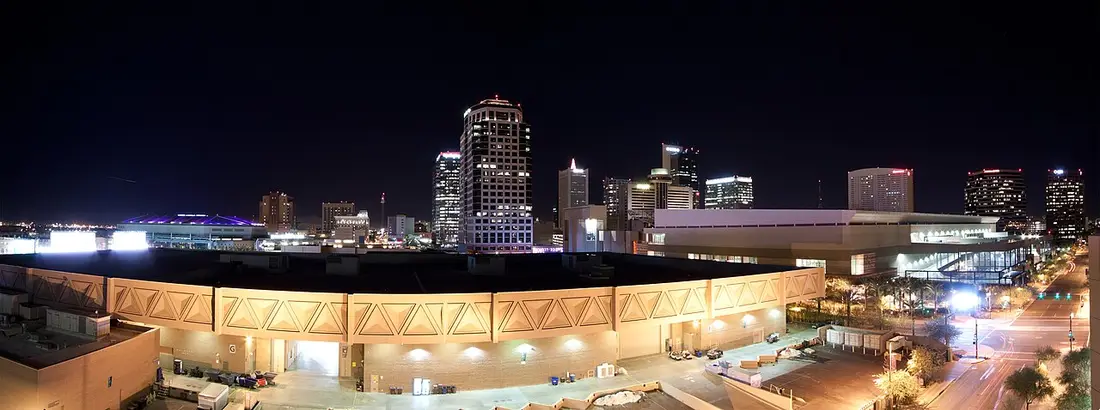
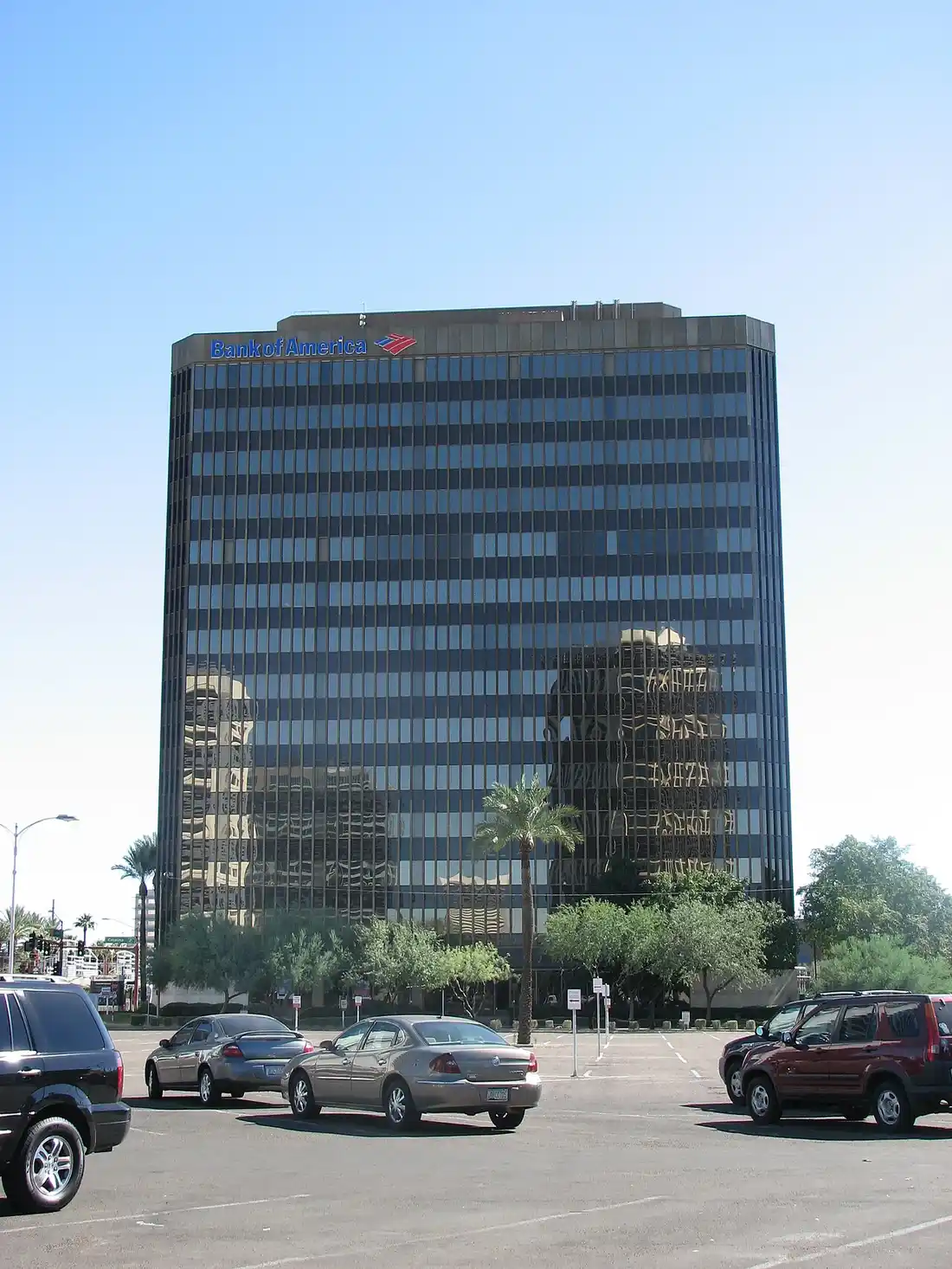


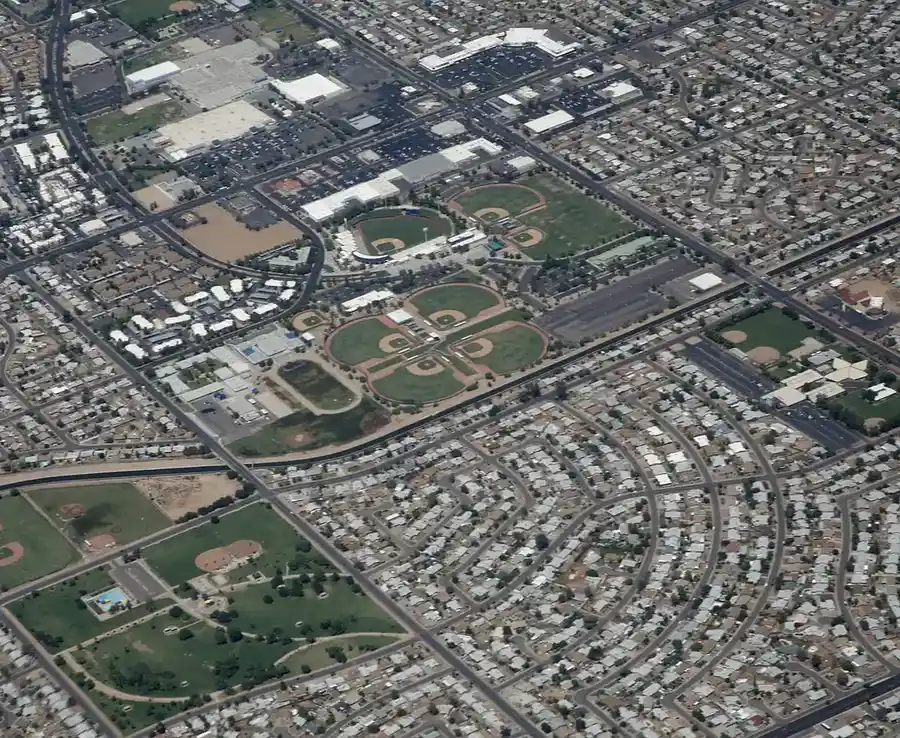
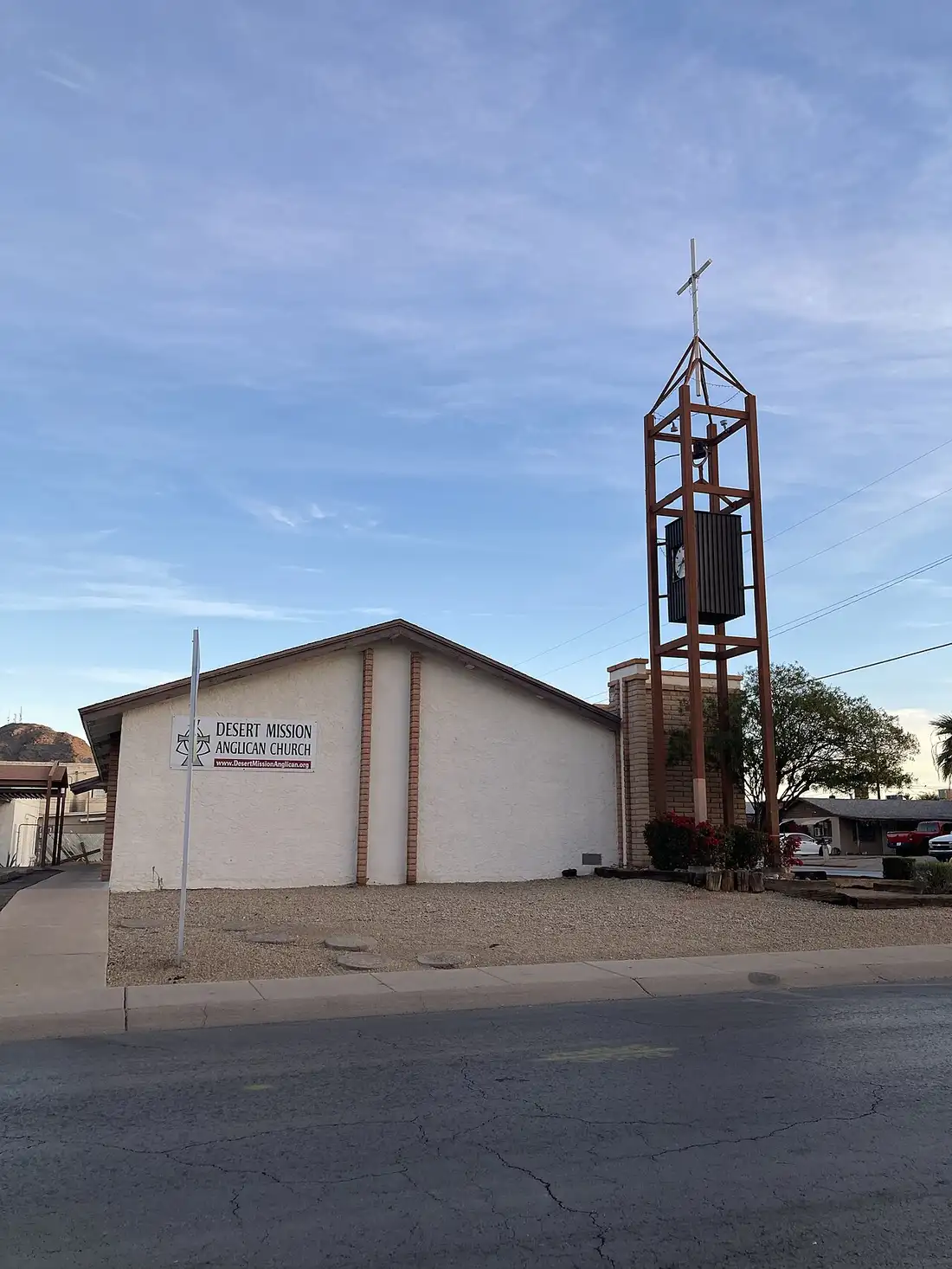


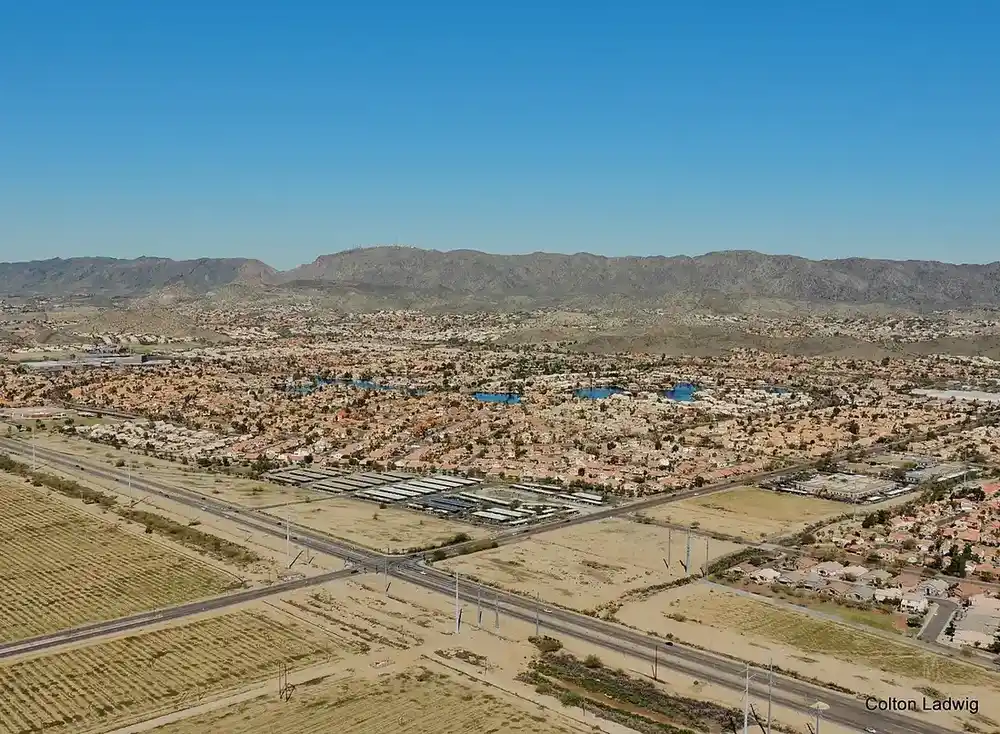

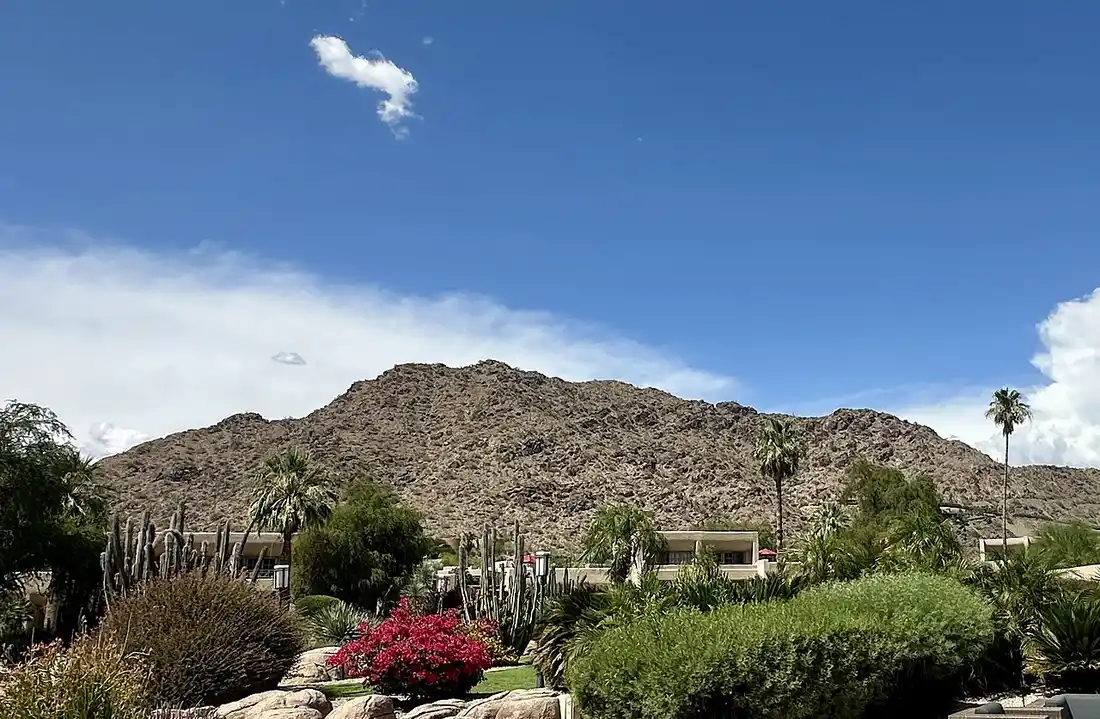

Phoenix, Through Local Eyes
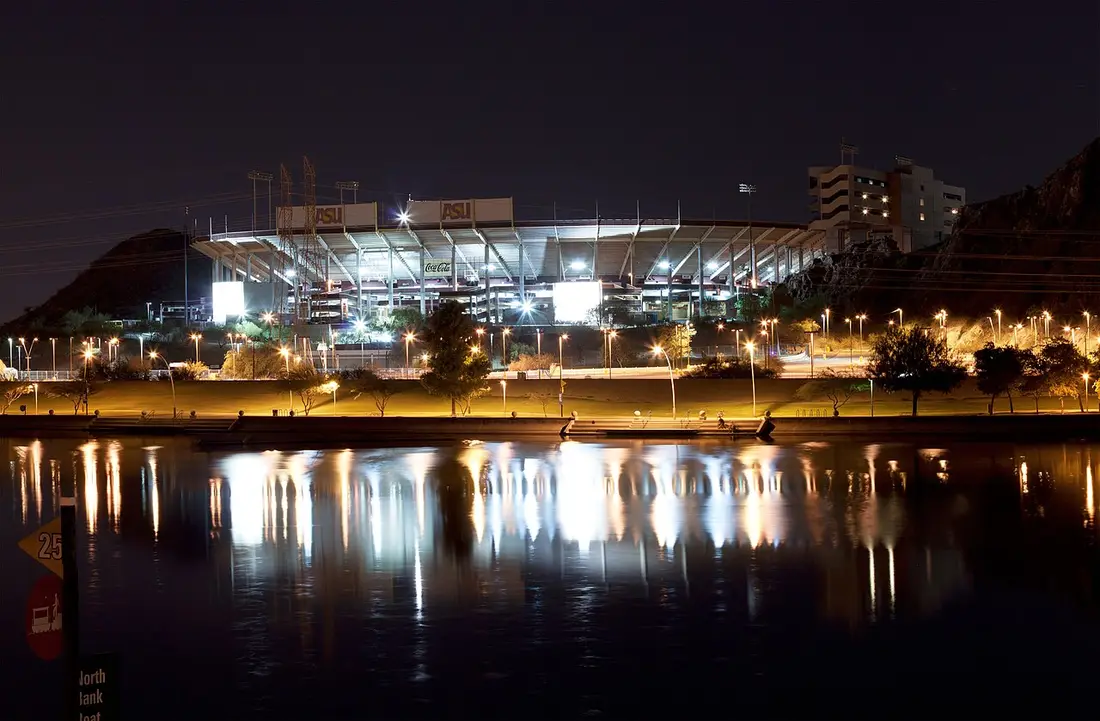
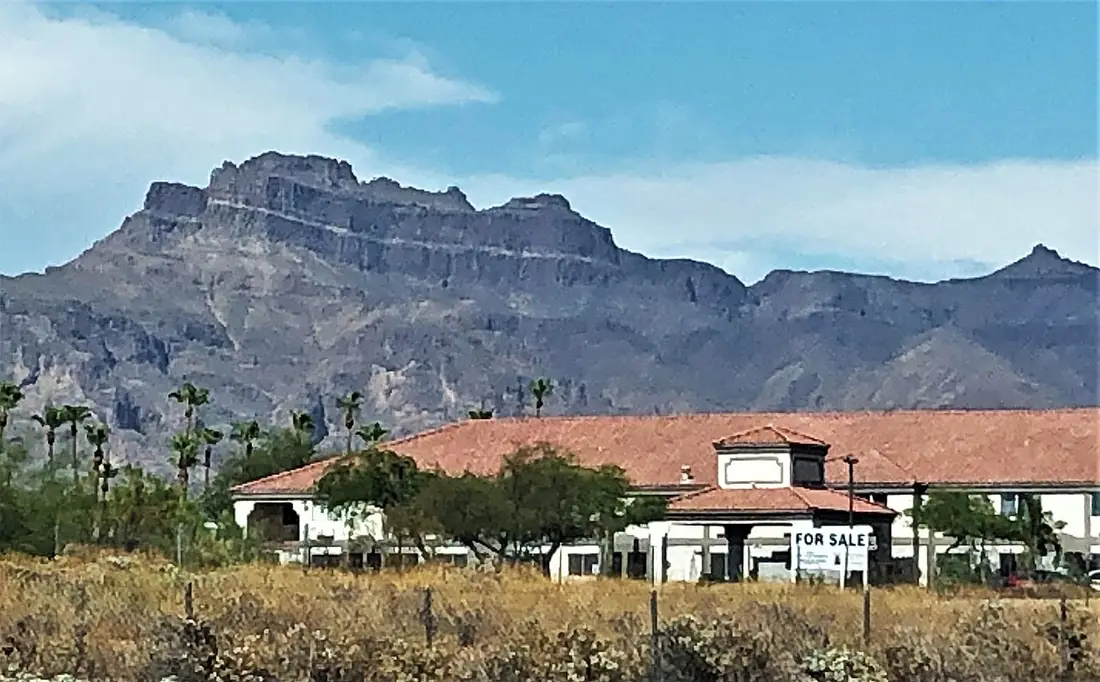

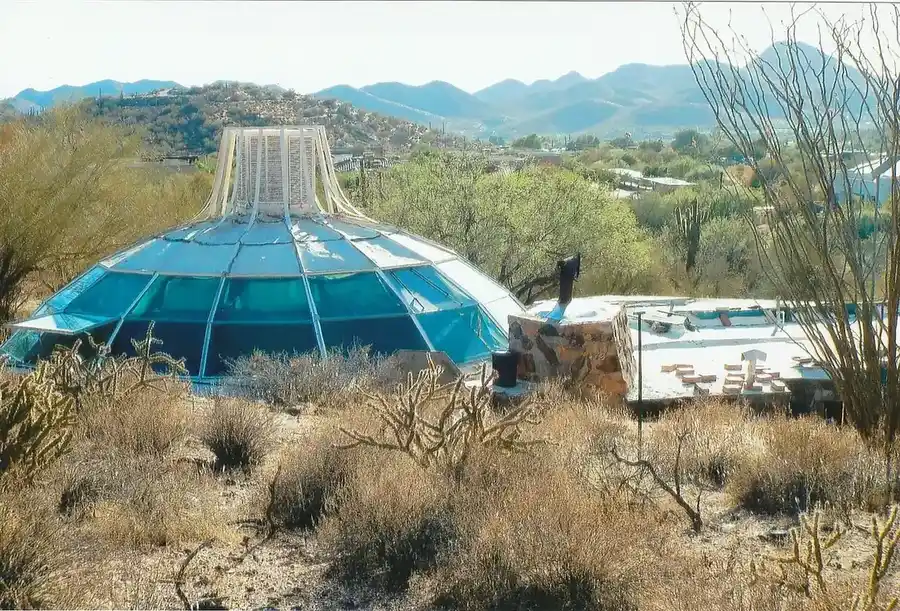
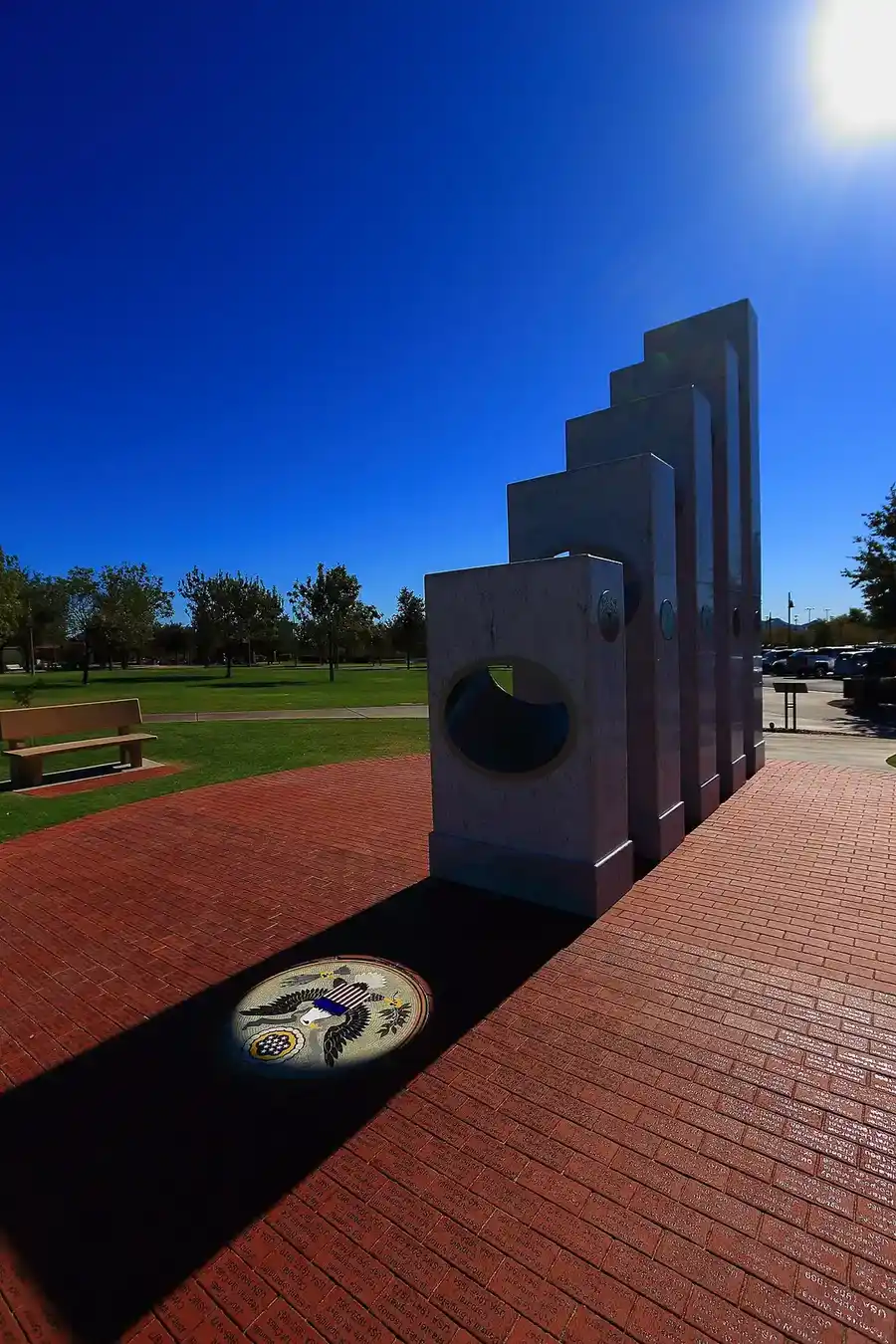

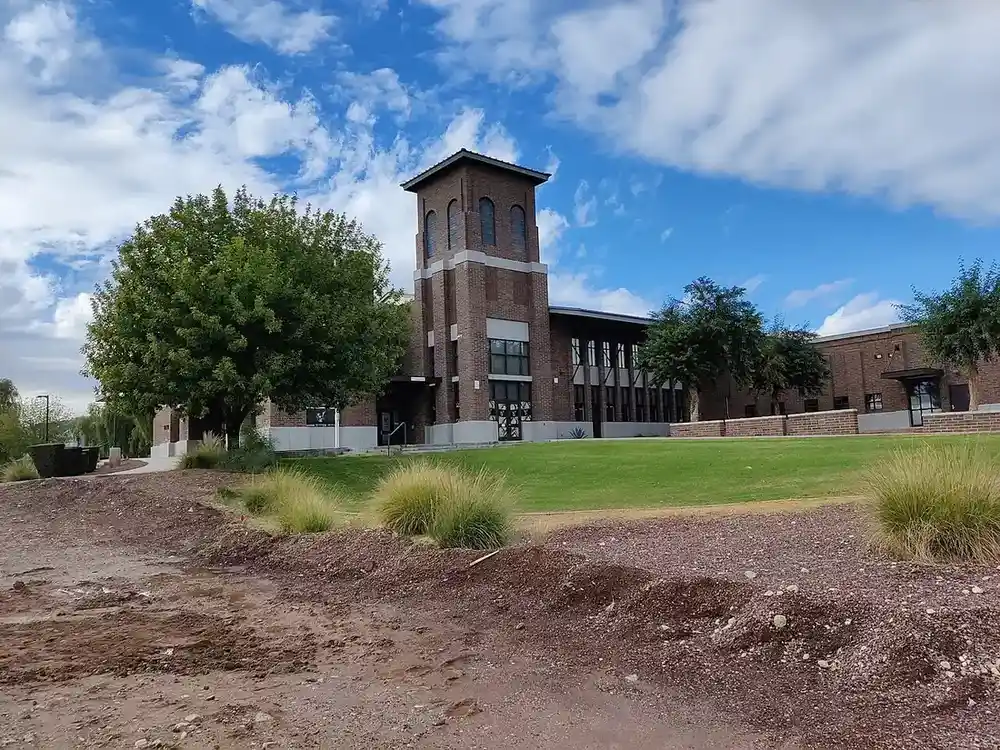
Photos: Wikimedia Commons contributors - full credits in the image credits file shipped with this site.
The Phoenix Electrical Calendar
Spring is the warm-up and the preparation window. Temperatures climb through the season, cooling systems return to daily duty, and the work that matters happens just ahead of the heat: panels checked under rising load, surge protection in place before the monsoon, pool circuits readied for the swimming months, and standby equipment serviced while appointments are still easy to schedule. The first sustained heat wave of the year grades every home's preparation, and it arrives whether the preparation happened or not.
Fall is the cool-down and the assessment window. Temperatures ease, cooling loads fall, and snowbirds begin returning to open seasonal homes that have sat closed through the summer. It is the season for the repairs the summer exposed, for surge devices spent during the monsoon to be checked and renewed, for reopening checks on homes that were shut for months - detectors, panels, pool equipment, water heaters - and for honest planning while the weather is calm. A system inspected in October is being judged on the evidence of the season just passed, not on hope.
Read the monsoon season in full in our monsoon outage and generator guide, or browse all electrical guides.
Common Questions
What wears out Phoenix electrical systems fastest?
The desert calendar first - months of 110-degree heat that run air conditioners around the clock, monsoon lightning and surge exposure, and attic temperatures that bake wiring and connections all summer - then the slow arithmetic of age: postwar panels meeting modern loads, aluminum-era connections loosening year by year, and cloth-insulated runs still working in historic-district walls. Systems here age by the season and by the decade at once.
How does this service work?
Call the number on this page and the call center connects you with an electrical professional serving your part of the metro. The professional assesses first and explains the scope; this site is the directory that connects you.
Which areas around Phoenix are covered?
All of Phoenix's neighborhoods - from Downtown and Midtown to Arcadia, Maryvale, Sunnyslope, North Phoenix, Ahwatukee and South Phoenix - plus Scottsdale, Paradise Valley, Tempe, Mesa, Chandler, Gilbert, Glendale, Peoria and the growth edges out to Buckeye, Queen Creek and San Tan Valley, each with its own page in the Areas section.
When is the right time of year for electrical service here?
Early spring, before the heat and the monsoon season open - the metro's service calendar is dated by weather, not by breakdowns. Fall is the recovery and planning season, and the snowbird months are when seasonal homes get read after the summer. Emergencies ignore the calendar entirely: a burning smell or a dead panel in July is one by definition.
What do residential electricians in Phoenix handle most?
The residential load here is set by the climate and the housing eras: panel upgrades for homes whose 100-amp service cannot carry dual air conditioners, a pool and an EV charger; aluminum-wiring assessments in the mid-century neighborhoods; surge protection ahead of monsoon season; and the emergency calls the first heat wave and the first big storm always produce. Every residential service has its own page, and its own page in every area.
How do I check whether a Phoenix electrician is licensed?
Electrical contractors in Arizona work under licenses issued by the Arizona Registrar of Contractors (ROC). Ask the electrician for their ROC license number, then verify it on the Registrar of Contractors' public lookup: check that the license is current, that it covers electrical work, and that the name matches. It takes a few minutes and it is the right first step before any work is agreed - this directory connects you with local professionals, and the ROC check is how you confirm the credential behind any of them.
What happens when I call?
You describe the problem - the breaker that will not reset, the rooms without power, the flicker that started after the last storm - the call center logs it and routes a professional serving your area. Assessment comes first; the scope of any work is explained by the professional before anything starts.
A Breaker That Keeps Tripping, Lights That Flicker or a Panel Due for an Upgrade?
One call connects you with an electrical professional serving Phoenix and the surrounding metro communities - assessment, repair, service and installation.
📞 Call Now