Phoenix Electrical Services

Generator Installation in Phoenix, AZ

Generator installation in Phoenix - standby systems sized to real outage loads, with transfer equipment for monsoon and extreme-heat outages when cooling matters most.

The monsoon ledger is seasonal and familiar. Summer storms build over the desert in the afternoon and arrive with frequent lightning - the desert Southwest is among the more lightning-active regions in the country - along with microburst winds that take down poles and service drops, dust walls that coat equipment, and flash outages as feeders trip and reclose. Each event writes two entries: the outage itself, and the surge that can travel with the failure and the restoration. Surge protection, service-mast condition and standby power are standing topics here because the season returns every year on a published schedule.

The second force is the modern load arriving in mid-century houses. Vehicle chargers, pool pumps and heaters, home offices, workshop tools and added living space all draw on panels sized for a fraction of today's demand - a 100-amp service that was generous in 1960 is an arithmetic problem in a house with a charger, a pool and a large cooling system. Rooftop solar adds a second source to coordinate rather than a load to carry. Much of the valley's electrical work is this reconciliation: reading what a house now asks of its system, and matching the system to it honestly.

Signs You Need Generator Installation

Someone in the home depends on powered medical equipment

Oxygen equipment, powered mobility charging, refrigerated medication and similar needs turn an outage from an inconvenience into a health concern. Standby power for those loads is planned as a safety measure, with runtime at the center.

A summer outage without cooling would force you to leave

In extreme Phoenix heat, a healthy adult may manage a short outage with shade and water, but an extended outage at peak temperature is different. Homes that would need a hotel or a relative house during a long outage are the natural candidates for standby cooling support.

Your area sees repeated monsoon outages

Some feeders and neighborhoods restore quickly; others wait while storm damage across the area is repaired. Your own outage history - how often and how long - is the most honest input for sizing and fuel planning.

You have a pool, well or other equipment that suffers in an outage

Pool circulation left off in peak summer, a well pump that leaves the home without water, or refrigerated storage for a home business can all belong on an outage load list even when whole-house power is not the goal.

A snowbird home sits closed through summer

A closed home still has loads that matter: refrigeration, pool equipment, security and climate control that protects the interior from extreme heat. Standby power keeps those systems cycling while the home is empty and an outage would otherwise go unnoticed.

Your portable generator routine is no longer workable

Running cords through a doorway, refueling in monsoon rain and deciding in the dark what can be plugged in is a routine many households outgrow. A standby system replaces it with an automatic transfer and a defined load list.

Why Generator Installation Is a Standing Job in Phoenix

Phoenix outages cluster around monsoon storms - wind that brings down lines and poles, lightning damage, and flooding that slows repair - and around peak-demand periods in extreme heat. The risk is not daily, but when an outage and a heat wave overlap, the consequence rises faster here than in a temperate city, which is why cooling loads feature so prominently in local load lists.

Fuel planning follows the property. Many Phoenix subdivisions have natural gas service that can supply a standby unit without a tank to monitor. Homes on larger lots or at the edges of service may use propane, where tank size sets the runtime arithmetic and needs to be part of the plan from the start.

Sizing is where local discipline matters. Keeping air conditioning for part of the home, refrigeration, lights, outlets for medical and communication equipment, and pool or well equipment running is a defined list. Powering every load in a large home at once is a different and larger system. Load management equipment can also sequence heavy loads so a mid-size unit covers more than its nameplate suggests at first glance.

Generator Installation Through the Phoenix Year

Summer is the extreme season in two acts. The first is sustained heat: highs at and above 110 degrees, air conditioning running around the clock, panels and attic runs carrying peak load in peak ambient heat, and weak points announcing themselves - breakers that trip on hot afternoons, connections that warm under load, equipment that fails in the hottest week. The second act is the monsoon from mid-June onward: lightning, microbursts, dust storms and flash outages layered over the heat. An outage in this season is more than an inconvenience; in extreme heat, a home without cooling becomes a health concern in hours, especially for older residents.

Spring is the warm-up and the preparation window. Temperatures climb through the season, cooling systems return to daily duty, and the work that matters happens just ahead of the heat: panels checked under rising load, surge protection in place before the monsoon, pool circuits readied for the swimming months, and standby equipment serviced while appointments are still easy to schedule. The first sustained heat wave of the year grades every home's preparation, and it arrives whether the preparation happened or not.

Winter in Phoenix is mild, and that mildness is the season's electrical character. Days are comfortable, snowbird season is in full swing, and seasonal homes run at full occupancy. The load story shifts rather than disappears: heating on the cooler nights, holiday lighting on exterior outlets, guests and gatherings drawing on kitchens and spare rooms, and pool equipment idling back. It is also the calm planning season - the months when panel work, rewiring and charger installations are scheduled without the summer's urgency pressing on every decision.

Generator Installation in Depth

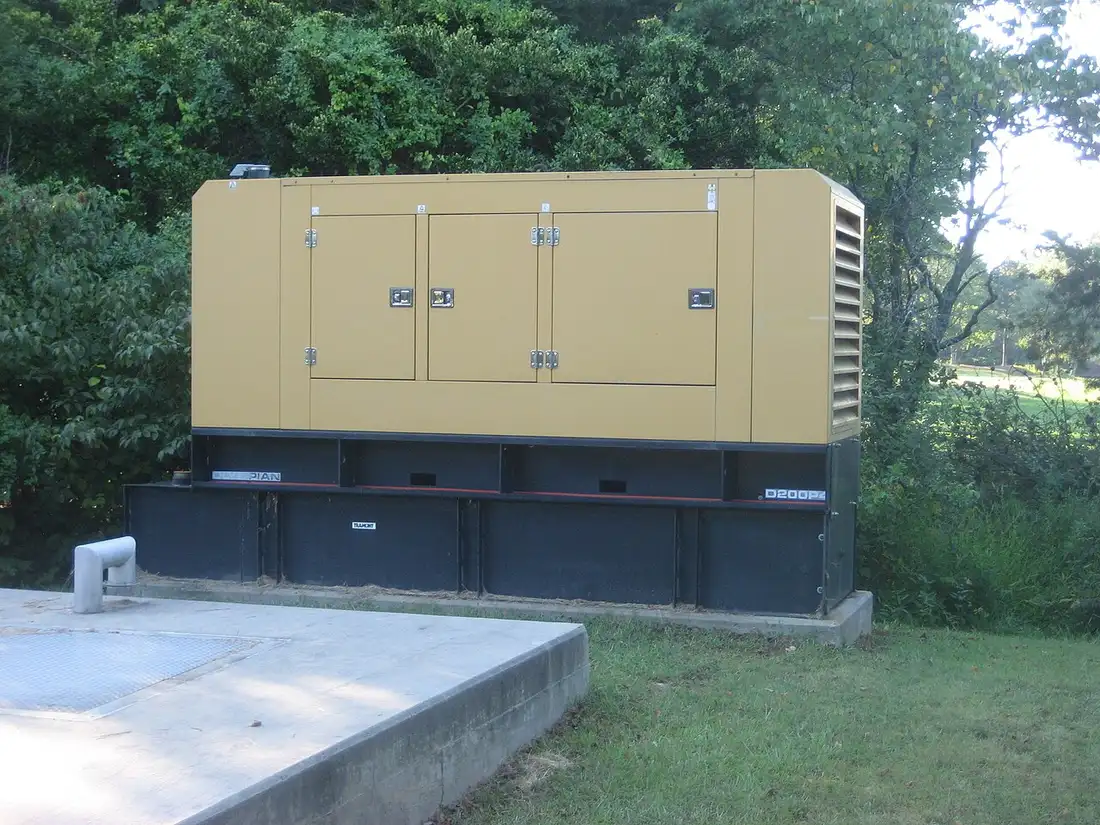
A standby generator in Phoenix answers a particular worry: an outage during extreme heat, when indoor temperatures rise quickly and a monsoon outage can stretch through the night. Planning starts with an outage list shaped by that reality, cooling for key rooms, refrigeration, medical equipment, pool circulation where needed, and the panel arithmetic and transfer equipment to carry it safely.

Sizing with restraint serves the household well. A system matched to a clear load list starts its motors, runs steadily, and uses fuel at a planned rate, while a machine sized far beyond the list cycles lightly for years and one sized short struggles on the night it was bought for. Placement, clearances, fuel supply, and a maintenance rhythm of exercise runs and service checks complete the plan.

Choosing the Right Help

Choose generator help by the outage list. An installer who builds that list load by load, cooling for key rooms, refrigeration, and other needs during a heat outage, then does the panel arithmetic and fuel and placement planning as one system, is designing for the night the equipment is meant for. Ask plainly what the system will not carry. A clear set of exclusions belongs in any sound proposal.

The Conditions Behind It

Phoenix sits in the Sonoran Desert, and heat writes the electrical calendar here: long summers with highs at and above 110 degrees, air conditioning that runs from morning well past midnight, attics that bake through the afternoon, and panels that carry their heaviest sustained load for months at a time. Layered over the heat is the monsoon, running from mid-June through September, when lightning, microbursts, dust storms and sudden downpours interrupt power and send surges through neighborhoods. An electrical system in Phoenix is not judged on a mild spring morning - it is judged in late July, at the peak of the load and in the middle of a storm week.

The valley's wiring is a layered record of its growth. Phoenix is a younger city than the eastern metros, so knob-and-tube is rare here; the older story lives in the historic districts near the center, where cloth and rubber-insulated cable and fuse boxes survive in the oldest central homes. The postwar building waves filled whole districts with 100-amp panels, including panel families from that era that inspectors now flag on sight. The mid-1960s to the mid-1970s added aluminum branch wiring to thousands of homes. The growth edges build larger services with rooftop solar, pool equipment and vehicle charging planned from the start. Which layer a house sits in decides much of its electrical story.

How Generator Installation Works

Build the outage load list

Loads are sorted into must-run, useful and can-wait, room by room and system by system - cooling, refrigeration, medical, water, pool, lighting and communications - and that list sets the system size.

Plan fuel, placement and transfer method

Gas supply or propane storage, unit placement with clearances and exhaust direction, and transfer equipment - whole-service or for selected circuits with load management - are decided together on site.

Install generator and transfer equipment

The unit is set and connected, transfer equipment is installed at the panel, selected circuits are landed as planned, and the separation between generator and utility power is verified.

Test under a simulated outage and set the routine

Power is cut in a controlled test so the system carries the home actual loads, the automatic exercise schedule is set, and maintenance intervals are handed over in writing.

Doing It Yourself vs a Professional

The DIY Route

  • Feeding a home panel from a portable generator through an improvised cord connection, which can send power back onto utility lines
  • Sizing a generator by home square footage instead of a written load list, which overshoots some homes and undershoots the motor starts in others
  • Placing a unit tight against a wall or under a bedroom window without working through clearance and exhaust requirements
VS

The Professional Route

  • Sizes the system from a written outage load list checked against the panel and starting loads of motors and cooling equipment
  • Plans fuel, placement and transfer equipment as one system, including safe separation from the utility supply
  • Tests the finished system under a simulated outage and leaves the exercise and maintenance routine documented

Keep It From Coming Back

A standby generator keeps its readiness through exercise runs, fuel care, and service on schedule in calm weather. These habits make its working night during a heat outage an orderly one.

  • Let the generator run its scheduled exercise cycle and treat a missed or failed exercise report as a service item, not background noise.
  • Keep oil, filter and battery service on the calendar in the calmer months, before monsoon season tests the system.
  • Keep the area around the unit clear of stored items and landscaping growth so cooling air and service access stay as designed.
  • After a real outage run, note which loads ran well and which strained the system - that log improves the load plan for the next event.
  • Never operate a portable generator inside a garage or near open windows, and never connect one to a home panel without proper transfer equipment.
  • For propane systems, check tank level ahead of monsoon season so the runtime in the plan matches the fuel actually on site.
Generator Installation in the Surrounding Communities

The communities around Phoenix share its heat and its monsoon season - with their own twists of housing age, growth and grid exposure.

Generator Installation in Buckeye

Buckeye is the Valley's far western growth frontier, a historic farming town founded in 1888 that now holds some of the metro's largest master-planned communities, including Verrado, spread across desert and former farmland toward the White Tank Mountains. Historic downtown Buckeye remains its older core, surrounded by subdivisions that are still being built out.

Generator Installation in Queen Creek

Queen Creek is a southeast Valley town that grew from a farming community at the foot of the San Tan Mountains into a fast-growing suburb, keeping working farms, the olive mill and a rural road pattern alongside its new subdivisions. Horses, acreage lots and new stucco neighborhoods share the same section roads, giving the town a mixed rural-suburban grain.

Generator Installation in San Tan Valley

San Tan Valley is a large unincorporated community in northern Pinal County, built out rapidly from the early 2000s in master-planned subdivisions between Queen Creek and Florence, with San Tan Mountain Regional Park at its southern edge. It is one of the Valley's youngest communities in housing terms: nearly all of its homes are recent construction on former desert and farmland.

Generator Installation in Apache Junction

Apache Junction sits at the eastern edge of the metro where the valley floor meets the Superstition Mountains, a community shaped by mining lore, desert tourism and a large seasonal winter population. Its housing mixes year-round subdivisions with mobile and RV parks and desert homes on larger lots along the Apache Trail corridor.

Where Generator Installation Is Needed Most

In the historic core and the central neighborhoods - Downtown Phoenix, Midtown Phoenix, Arcadia, Biltmore, Maryvale and Sunnyslope, North Phoenix, Deer Valley, Ahwatukee, South Phoenix - the wiring runs from cloth-insulated cable and fuse boxes in the historic districts to the flagged postwar panels of the in-city suburbs, and generator installation follows that record: era wiring care on the old streets, panel decisions in the postwar blocks, and heat exposure that grows toward the open edges.

Across the north side, the foothills and the inner ring - Paradise Valley, Scottsdale, North Scottsdale, Tempe, Mesa, Chandler and Gilbert, Glendale, Peoria, Surprise, Goodyear, Avondale - sit the growth waves of the 1960s onward, the aluminum-branch-wiring years and the first subdivisions wired for modern loads room by room, which together make this the steadiest generator installation territory in the metro.

Beyond the city line, the same work runs in Buckeye, Queen Creek, San Tan Valley, Apache Junction, Fountain Hills, Cave Creek, Anthem, Sun City, Litchfield Park - fast-growing suburbs, snowbird communities and desert-edge towns where new construction, acreage homes and wide-open monsoon exposure add their own chapters. Every one of these area pages carries the local detail for generator installation in that community.

Coverage, In Full

Generator Installation runs across the whole service map: Downtown Phoenix and Roosevelt Row; Midtown and the Encanto district; Arcadia and the Biltmore; Maryvale; Sunnyslope; North Phoenix and Deer Valley; Ahwatukee; South Phoenix; and beyond the city in Paradise Valley, Scottsdale and North Scottsdale, Tempe, Mesa, Chandler, Gilbert, Glendale, Peoria, Surprise, Goodyear, Avondale, Buckeye, Queen Creek, San Tan Valley, Apache Junction, Fountain Hills, Cave Creek, Anthem, Sun City and Litchfield Park. One call covers all of it - the local pages above carry the detail for each. If your street is not named here, call anyway: routes grow with demand, and most metro addresses are already within reach of a scheduled run.

From the Phoenix Electrical Guides

Monsoon Outages, Surges and Standby Generators: A Phoenix Guide

Valley outages are written by a known season: the mid-June through September monsoon brings lightning, microburst winds, dust storms and flash outages, layered over summer heat that makes a long outage a health concern. A standby generator answers the outage with a load list, not a whole house by default: cooling, refrigeration, water, lights and the loads that cannot wait, sized and fueled honestly.

Read the Guide

Why Do My Lights Flicker? A Phoenix Guide to Causes and Fixes

Most flicker is a pattern with a cause: dimming when the cooling system starts is a load story, flicker on one dimmed circuit is usually a lamp-and-dimmer mismatch, and random flicker across the house is a connection story. Read the pattern before touching anything - when it happens, where it happens, and what else is running sorts the causes faster than any tool.

Read the Guide

Old Wiring in Phoenix Homes: Cloth Cable, Aluminum and Mid-Century Panels

Phoenix homes carry their own wiring eras: cloth and rubber-insulated cable and fuse boxes in the oldest central districts, postwar copper with its era's 100-amp panels, aluminum branch wiring from the mid-1960s to mid-1970s, and modern copper since. Each era has a known behavior: cloth ages by crumbling in attic heat, aluminum at its connections, older panels by capacity and condition. The remedy follows the era, not the symptom.

Read the Guide

Generator Installation Questions

What affects the cost of generator installation in Phoenix?

The unit capacity, the transfer method and load management chosen, the distance between panel, fuel supply and unit placement, pad and trenching work, and permit scope. Two homes on the same street can be quite different projects once their load lists and yards are read, so the figure follows the site plan.

Natural gas or propane for a Phoenix home?

Where natural gas service is available and adequate, it avoids tank monitoring and supports long runtimes. Propane suits properties without gas service, with tank sizing matched to the runtime the household wants during an extended outage. The site visit confirms which fuel your property can support and plans around it.

Where can a standby generator be placed in Phoenix?

Placement follows clearance rules for openings, property lines and service access, along with exhaust direction and airflow for a machine that must run in extreme heat. Shade alone is not a placement plan - the unit still needs its clearances. The location is worked out on the property before any pad is set.

What maintenance does a standby generator in Phoenix need?

Oil and filter changes on a running-hours schedule, battery checks, review of its exercise reports, and periodic professional service that inspects the unit the way a panel is inspected - ideally ahead of monsoon season. The installation should leave that schedule in writing, because readiness in July depends on attention given months earlier.

How large a generator does a Phoenix home need?

Size follows the outage load list. A system keeping one cooling zone, refrigeration, medical outlets, lights and a pool pump running asks far less than a system carrying a whole large home at once. Motor starting loads - air conditioning compressors and pumps - also set capacity. The sizing visit does that arithmetic at your panel with your list in hand.

What is a transfer switch, and why does a Phoenix installation need one?

Transfer equipment moves selected circuits, or the whole service, between utility power and generator power so the two sources never feed the same wiring at once. Without it, generator power can travel back onto utility lines, which endangers repair crews, and returning utility power can damage the generator. On standby systems the transfer is automatic and is a core part of the installation, not an add-on.

Will a generator run the air conditioning in my Phoenix home?

It can be planned to, for all or part of the home, depending on system size and load management. Air conditioning is usually the largest load on a Phoenix outage list and its compressor starting demand shapes the sizing. Many households cool one zone or use load management to cycle cooling with other heavy loads, and the trade-offs are laid out during planning.

How long can a standby generator run during a Phoenix outage?

On natural gas, runtime is mainly limited by the gas supply continuing and by maintenance checks on longer runs, so multi-day operation is possible. On propane, the tank size is the clock, and the plan should state the expected hours at your load level before monsoon season arrives.

Please note: Phoenix Electrician Pros is an independent directory and referral service, not an electrical contractor. The professionals reachable through this site are independent businesses; any agreement for work is between you and the professional you engage. Service information on this site is general educational material - the scope of any real electrical work is set by an on-site inspection.

A Breaker That Keeps Tripping, Lights That Flicker or a Panel Due for an Upgrade?

One call connects you with an electrical professional serving Phoenix and the surrounding metro communities - assessment, repair, service and installation.

📞 Call Now
Ask about electrical workPhoenix metro - replies from this site's own pages
📞 Call Now